
Last updated November 23, 2026
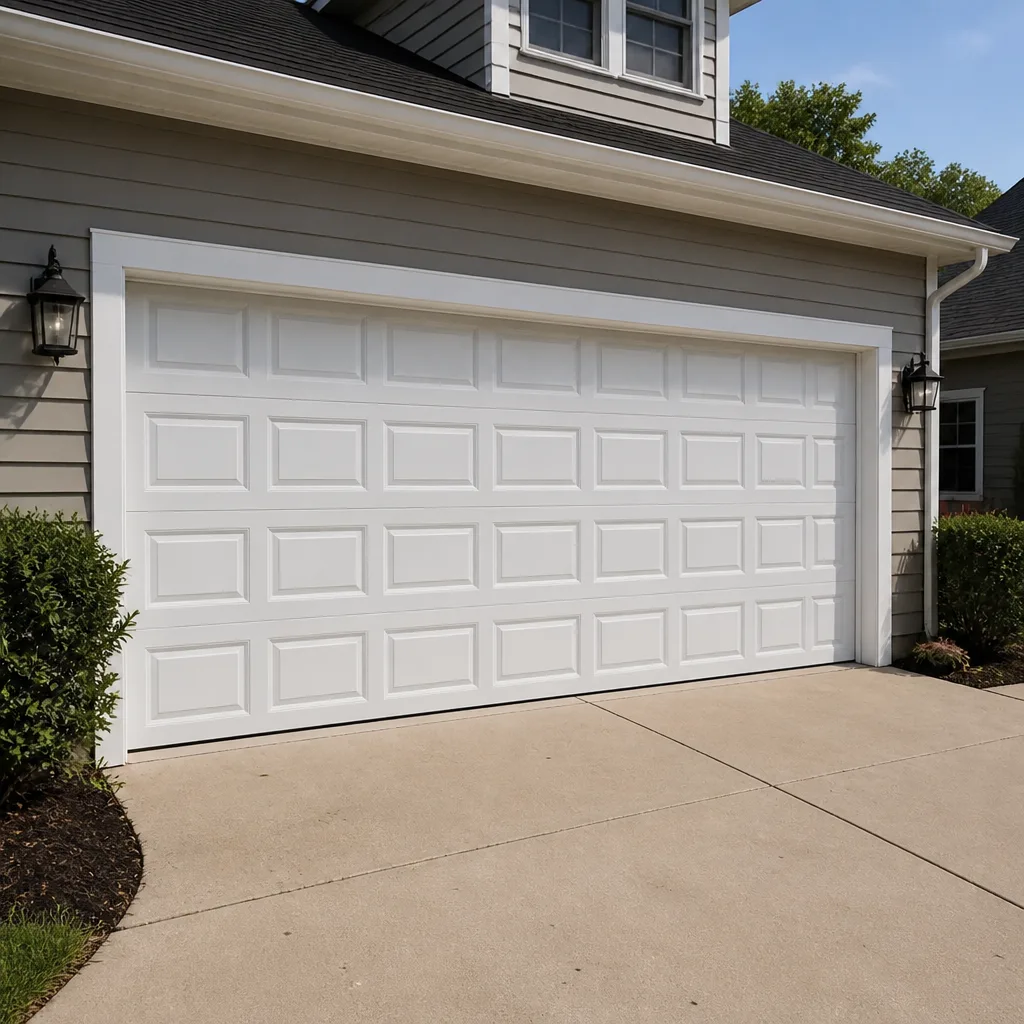 Raised-panel steel
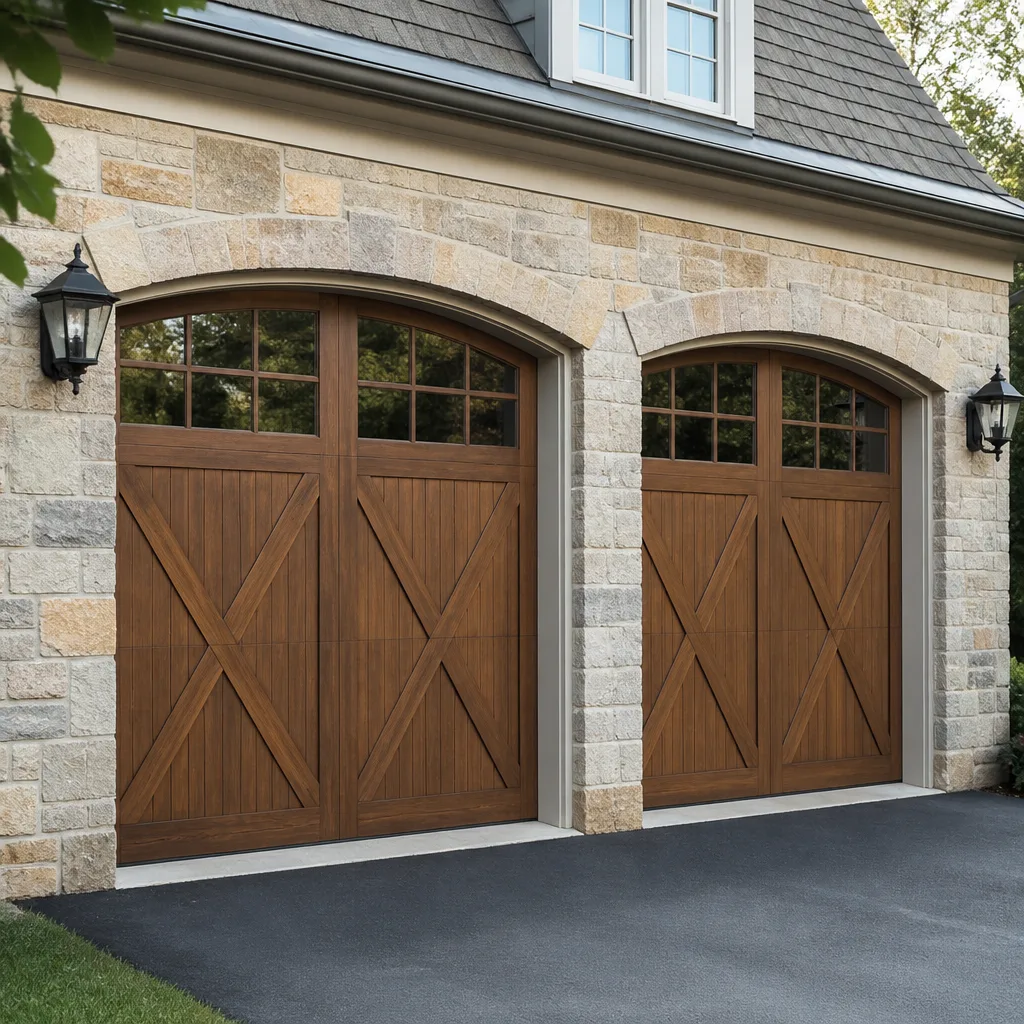 Carriage house
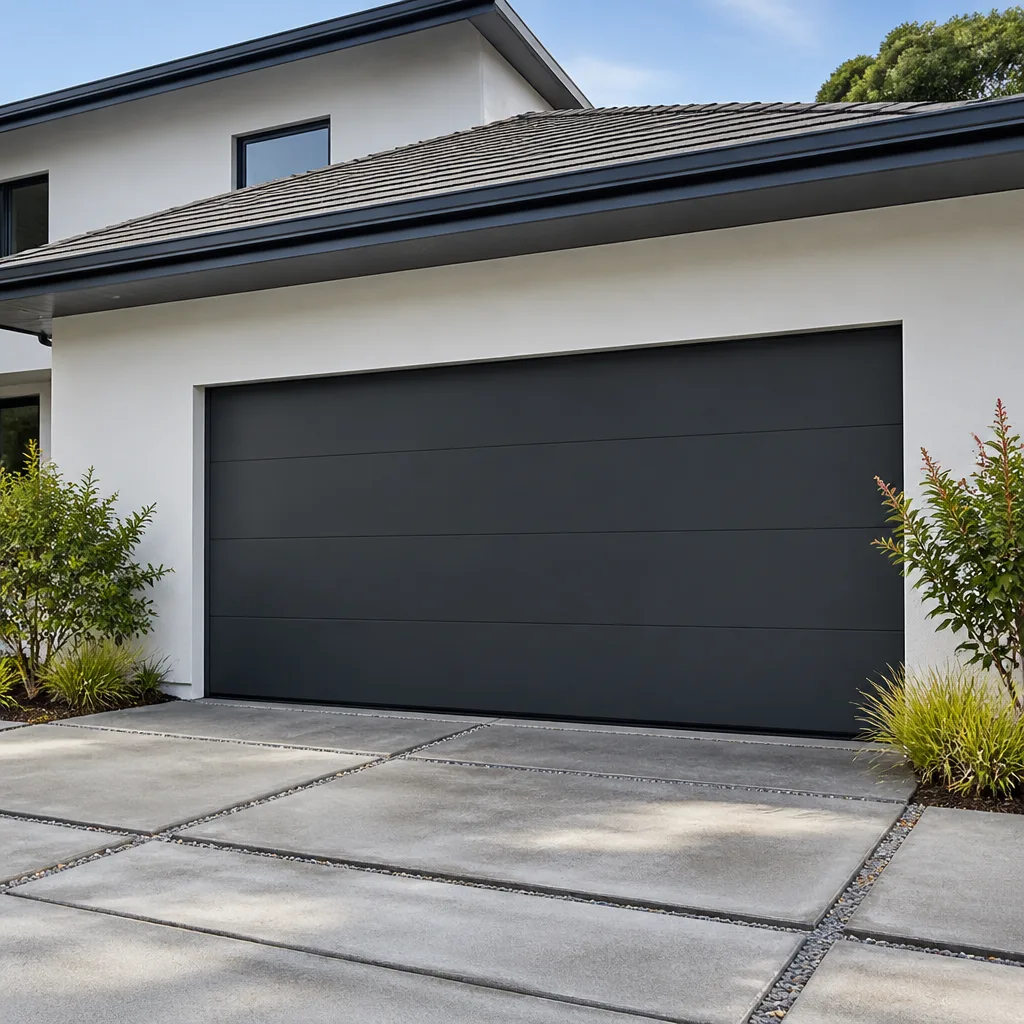 Modern flush
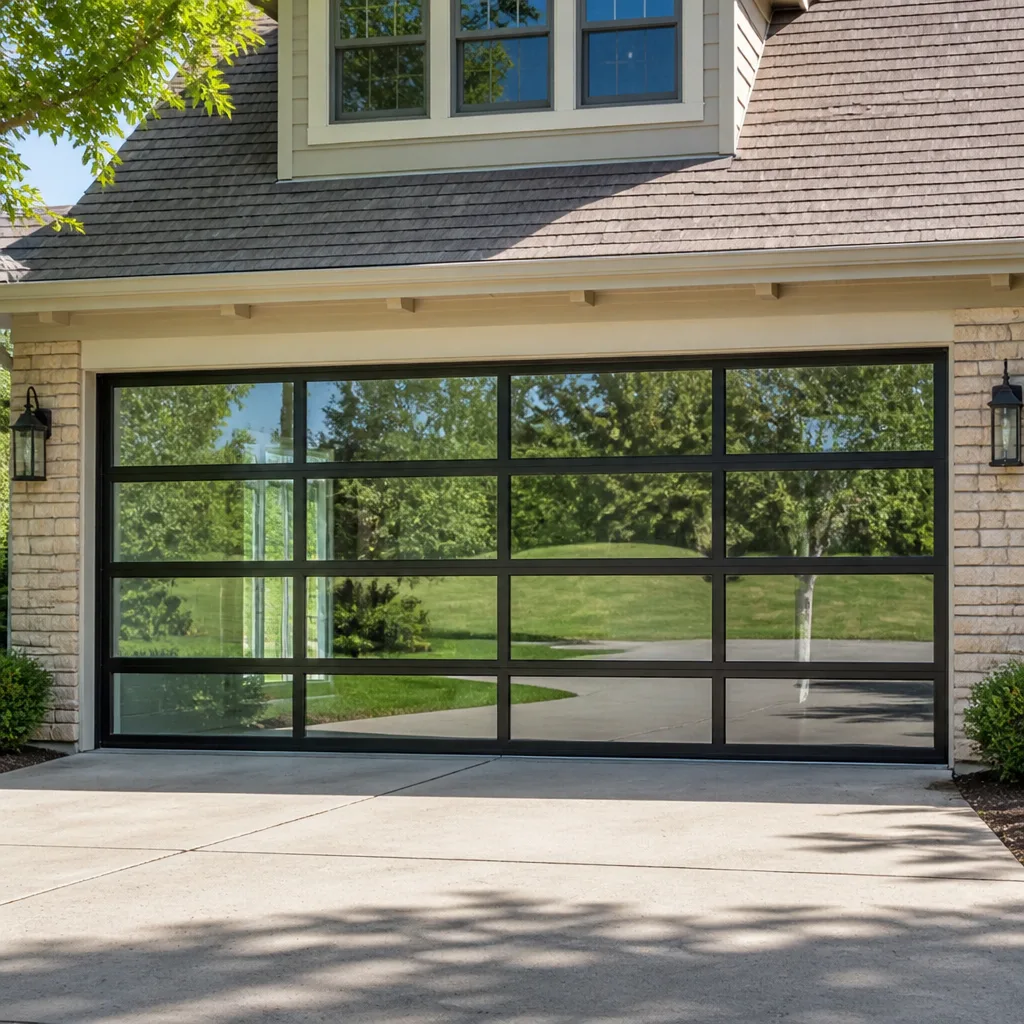 Full-view glass
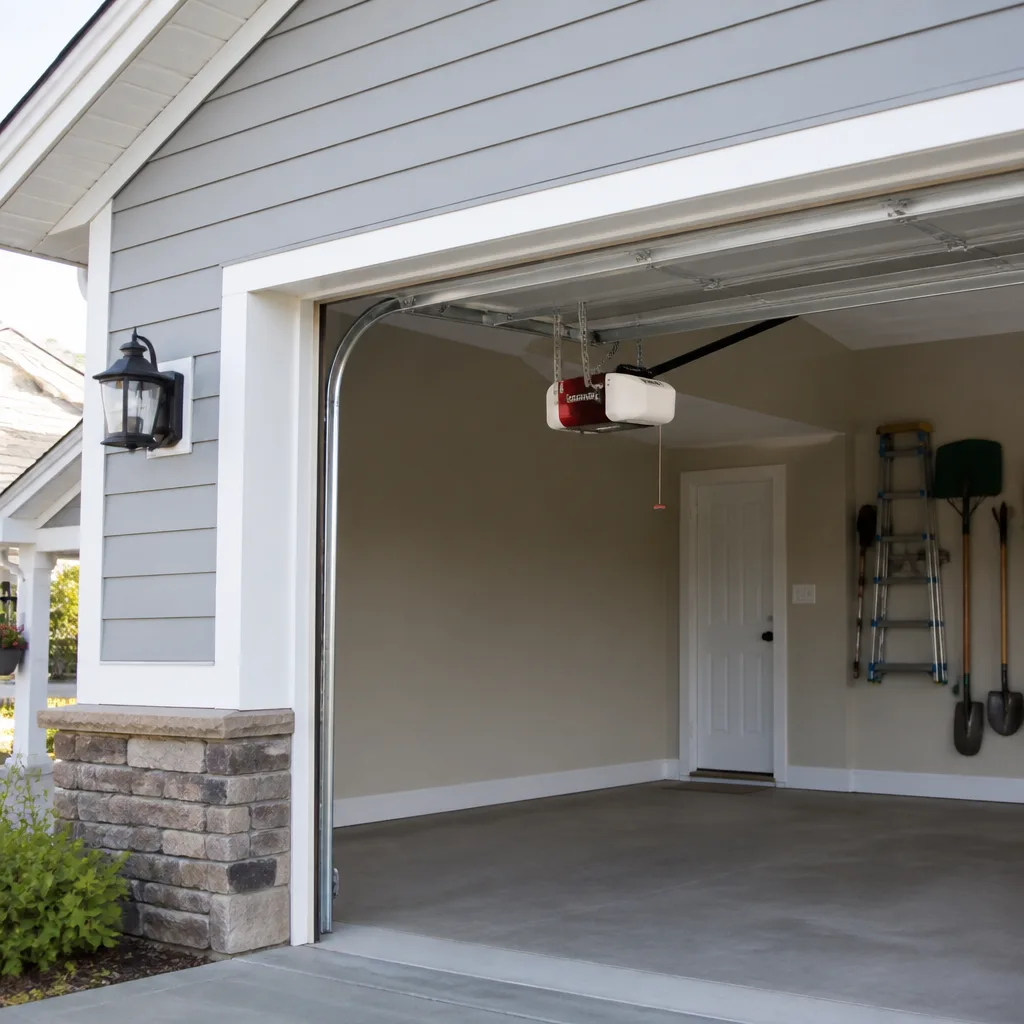 LiftMaster openers
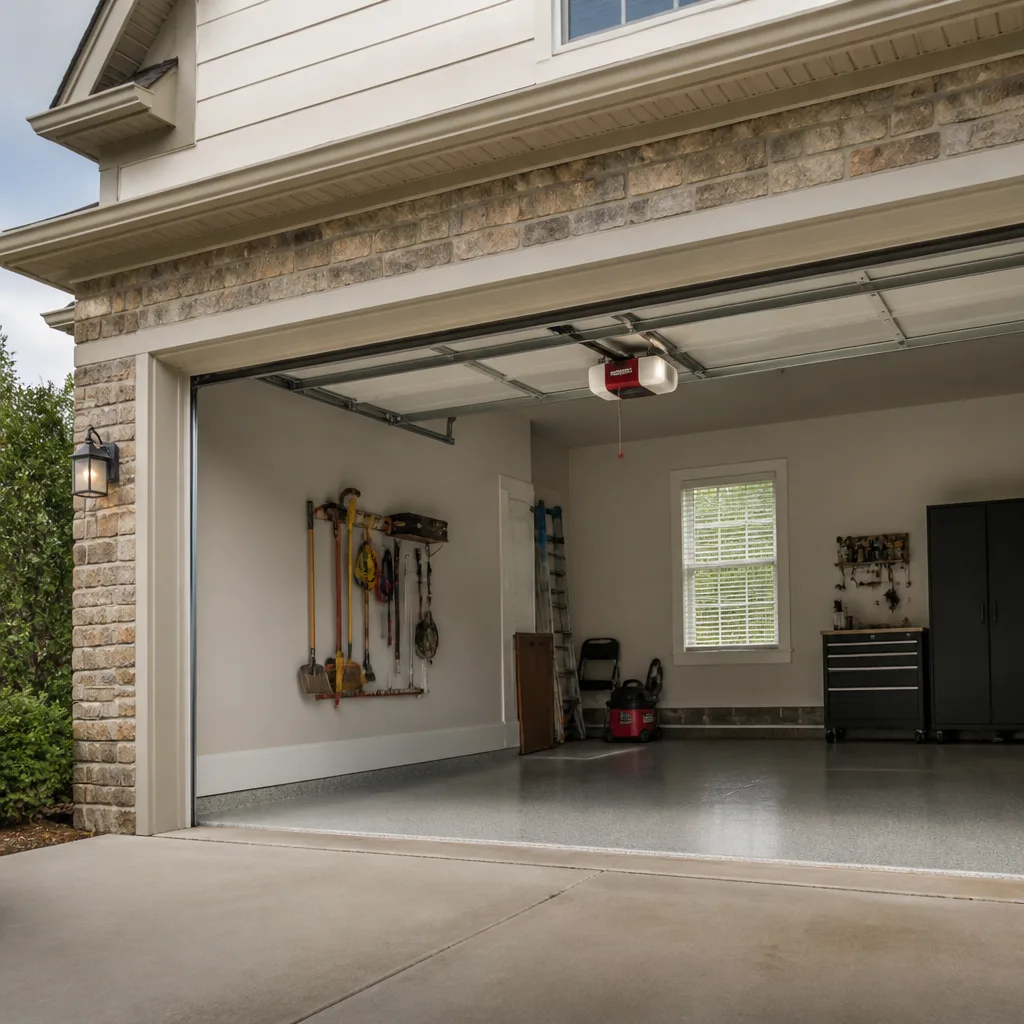 Chamberlain openers
Full 25-point door and opener safety check with every visit - springs, cables, rollers, tracks, and your LiftMaster or Chamberlain opener included
You get a price before we start. It does not change when the pro arrives.
Get your free estimateSeasonal Garage Door Care for Danbury: Year-Round Homeowner’s Guide
February is the worst month to have a garage door failure in Danbury. It’s also the month when the most preventable failures happen, and nearly all of them trace back to something skipped in October. That’s the counterintuitive part: the season a door actually breaks is rarely the season that caused the break. Cold snaps get blamed, but the stress that snaps a torsion spring in February was often loaded onto it months earlier. This guide maps specific care tasks to specific months here in Danbury, explains the mechanical reason behind each one, and gives you a reference you can pin up and come back to instead of reading once and forgetting.
Quick Answer
Garage door care in Danbury works best as a month-by-month routine, not a single “twice a year” chore: tune and lubricate in fall before the first hard freeze, watch the bottom seal and opener behavior through winter, inspect for corrosion and cable fraying after the thaw, and address humidity-related wood and circuit board issues in summer. Each task targets a specific stress condition the local climate creates, and skipping one usually shows up as a repair in a later season.
Styles & brands we work with
- Raised-panel steel
- Carriage house
- Modern flush
- Full-view glass
- LiftMaster openers
- Chamberlain openers
Table of Contents
- How Danbury’s Four Seasons Stress Your Door
- Winter: Cold Contraction and the Spring Problem
- Spring: What the Thaw Reveals
- Summer: Humidity, Wood Panels, and Circuit Boards
- Fall: The Prep Sequence That Prevents Winter Failures
- Your Month-by-Month Reference Card
- What Noise and Balance Tell You Year-Round
- When a Season’s Wear Needs a Professional
How Danbury’s Four Seasons Stress Your Door
Danbury sits in a climate with genuinely distinct seasons, and that’s the whole reason a generic maintenance schedule doesn’t fit here. A door in a mild climate mostly deals with one kind of wear. A door in Danbury deals with four different stress regimes over twelve months, and the transitions between them are where trouble hides.
Here’s the core idea: steel, aluminum, and the springs that lift the door all change dimension with temperature. Wood changes shape with humidity. Opener electronics behave differently in damp heat than in dry cold. Each material responds on its own timeline, so a Danbury garage door is constantly adjusting to whatever the season is doing. The adjustment itself is normal. What isn’t normal is an adjustment that has no room left to give because a component was already worn or out of balance.
We categorize the year into four stress windows:
- Winter (roughly December through February): the coldest stretch, when metal contracts and the door works hardest against stiff lubricant and frozen seals.
- Spring thaw (March through May): when moisture, leftover road grime, and freeze-thaw cycling reveal the wear winter caused.
- Summer (June through August): heat and humidity season, when wood swells and opener boards run warmer.
- Fall (September through November): the preparation window, the one that decides how winter goes.
The reason this matters: most emergency calls we handle fall in the winter window, but the components that fail were usually set up to fail during fall. Getting the fall sequence right is the highest-value care you can do all year, and we’ll come back to it in detail. The rest of this guide walks the calendar, one season at a time.
Winter: Cold Contraction and the Spring Problem
Cold contraction is the phrase that explains most winter failures. When the temperature drops into Danbury’s January and February range, the steel wire in a torsion spring contracts and the metal becomes less ductile. A spring is a coiled spring under constant tension, and cold makes it more brittle at exactly the moment the door is cycling against stiffer grease and a bottom seal that may have frozen to the floor.
Every cycle, the spring stretches and releases. In mild weather it does that with some elasticity to spare. In deep cold the same movement puts more load on a less forgiving piece of steel. That’s why a spring that has quietly been losing tension for months tends to finish the job on the coldest morning of the year, usually the first time the door is opened after an overnight freeze.
What you can do about it without touching the spring yourself:
- Keep the door balanced. Disconnect the opener and lift the door halfway by hand. A balanced door stays roughly where you put it. One that drifts down fast or feels heavy is loading the spring unevenly, and that imbalance is worth a professional look before the coldest weeks.
- Free the bottom seal. Before opening on a freezing morning, glance at the seal where it meets the floor. If it looks stuck, a gentle nudge with a broom handle breaks the ice bond before the opener tries to yank it free.
- Watch for a single loud bang. A torsion spring breaking sounds like a sharp crack or bang from inside the garage. If you hear it, stop using the door. The opener can’t lift a door with a broken spring, and forcing it strains the opener and the cables.
- Keep the tracks clean of ice and grit. Frozen debris in the track makes the door drag, which adds load at the worst time.
One safety note that matters more in winter than any other season: torsion springs and the cables under tension are the genuinely dangerous part of a garage door. A trained technician handles spring work with the right winding tools and the door properly secured. We treat garage door spring repair as its own dedicated service for that reason. Please don’t attempt to wind, unwind, or cut a spring yourself.
Spring: What the Thaw Reveals
The thaw is inspection season. As the freeze-thaw cycle lets go and the snowmelt runs off, everything winter did to your door becomes visible. This is the window to catch wear before summer heat and next winter’s cold compound it.
Walk around the door with a flashlight and look for these four things:
- Corrosion on hinges and rollers. Road splash and wet grit collect low on the door. Surface rust on hinges is common after a Danbury winter. Rust that has worked into a hinge pin or roller bearing means the part is binding, not just looking tired.
- Cable fraying. Look at the cables that run along the sides of the door. Frayed strands or a cable that looks kinked or bunched is a stop-using-the-door issue, because a failing cable can snap with serious force. This is inspection only. Cables are professional territory.
- Weatherstripping and bottom seal damage. Winter is hard on the rubber seal at the floor and the strips around the frame. A cracked or torn seal lets in cold, moisture, and pests, and it also lets water sit against the door’s bottom panel.
- Panel and paint condition. Small chips in paint invite corrosion over the wet spring. Touching them up early is cheap.
Spring is also when it’s worth listening to the opener. A garage door opener repair need often announces itself after winter: the door reverses for no reason, the motor strains, or the remote needs several tries. If your opener is a LiftMaster or Chamberlain unit, those symptoms are usually fixable rather than a sign you need a new unit.
If the inspection turns up more than you want to sort out alone, our garage door repair service covers the whole list, from a single hinge to frayed cables and everything between.
Summer: Humidity, Wood Panels, and Circuit Boards
Summer in Danbury brings a different stress set, and it’s the one homeowners notice least. Heat and humidity act on two parts of the system that winter barely touches: wood door panels and the opener’s circuit board.
Wood doors and humidity. A wood or wood-composite door absorbs moisture from humid summer air. The panels swell slightly, seams and joints take on water, and paint or stain can blister where moisture gets behind it. Swollen panels can bind in the tracks, and a door that sticks in July is often a humidity problem rather than a mechanical one. Two things help: keep the finish intact so moisture stays on the outside, and make sure gutters and downspouts move water away from the garage so the wall and door aren’t sitting in splash. If you have a wood door, summer is the season to check the finish and plan any re-coating before fall.
Opener circuit boards and damp heat. Opener electronics live in the garage, which is often the most humid room in the house. Warm, moist air raises the risk of condensation on a circuit board, and that can show up as odd behavior: a remote that works intermittently, a wall button that needs a second press, an opener that resets. Genie and Raynor units, like any brand, can develop these quirks in a humid stretch. If the behavior persists, it’s worth a diagnostic rather than assuming the opener is finished.
Summer tasks worth a few minutes:
- Check the finish on wood panels for lifting paint or stain, and touch up bare spots before fall.
- Clear any leaves or debris from the bottom seal and the base of the tracks.
- Wipe grit from the tracks. Dry grit in summer is as hard on rollers as frozen grit is in winter.
- Note any change in opener behavior so you can tell a technician exactly what it’s doing.
One more thing worth saying: hail in this part of Connecticut is uncommon, so a dented or damaged panel here usually comes from an impact like a bike, a ladder, or a car rather than weather. If a panel is damaged, the fix depends on the door’s make and model. We work on Clopay, Amarr, Wayne Dalton, and the other major brands, so a single panel repair doesn’t require replacing the whole door.
Fall: The Prep Sequence That Prevents Winter Failures
This is the section that earns its keep. Fall is the one window where a couple of hours of ordinary attention prevents the two most common winter failures in Danbury: broken springs and frozen bottom seals. Do these in order, ideally before the first hard freeze.
The Fall Prep Sequence
- Test the balance first. Disconnect the opener, lift the door to halfway, and let go. It should hold. If it drifts down or feels heavy, the spring or cable system needs attention before winter load arrives. Get this evaluated first, because everything else assumes the door moves freely.
- Lubricate the moving metal. Use a garage-door-rated lubricant on hinges, rollers, and the spring (a technician can show you the right spots). Stiff, dry metal is harder to move in cold, and cold is when the door can least afford extra resistance. Never use grease or oil that stiffens in cold weather; that makes the winter problem worse.
- Service the bottom seal. Inspect the rubber seal along the floor. If it’s cracked, torn, or flattened, replace it before winter. A good seal keeps meltwater and snow from bonding the door to the floor and keeps cold air out of the garage.
- Clear the tracks and check alignment. Remove grit, leaves, and debris. Check that the vertical and horizontal tracks are straight and tight. A loose track gets worse with the freeze-thaw cycle.
- Test the safety reverse. Put a piece of wood flat on the floor in the door’s path and close the door. It should reverse on contact. This is a safety check that matters every season, and doing it in fall means you’re not discovering a failure in February.
- Check the opener’s force settings and light. A door that’s about to get stiffer in cold should have an opener that isn’t already maxed out trying to lift it. If the opener strains now, it will strain more in January.
Notice the sequence runs balance first, then lubrication, then seal, then tracks, then safety. That order matters: you can’t judge whether the door moves freely until the balance is right, and lubrication doesn’t fix an out-of-balance door. Skipping step one is the single most common reason a fall tune-up doesn’t prevent the February failure. Our spring repair specialists can confirm whether the spring and cables are winter-ready if the balance test raises any doubt.
Your Month-by-Month Reference Card
Here’s the year in a format worth pinning up in the garage. Each month names the task and the reason, so it’s not just a checklist you follow blindly.
- January: Free the bottom seal before opening on freezing mornings. Why: prevents the opener from yanking a stuck door and loading the spring.
- February: Watch for the loud bang of a broken spring and stop using the door if you hear it. Why: coldest, brittlest month for spring steel.
- March: Post-winter walkaround: hinges, cables, seal, paint chips. Why: the thaw reveals winter wear.
- April: Fix corrosion and touch up paint. Why: wet spring is when corrosion spreads fastest.
- May: Test the opener and note any odd behavior. Why: catches post-winter opener issues before summer heat.
- June: Check the finish on wood panels and clear debris from seals and tracks. Why: humidity is coming, and bare wood takes on moisture.
- July: Watch for doors binding or sticking in humid weather; note opener quirks. Why: swelling and damp-heat circuit behavior peak now.
- August: Inspect panel condition and finish; plan any re-coating. Why: last comfortable window before fall prep.
- September: Run the fall prep sequence: balance, lubricate, seal, tracks, safety reverse, opener force.
- October: Complete any remaining fall tasks before the first hard freeze. This is the month that decides your winter.
- November: Final seal and track check as temperatures drop.
- December: Keep the seal clear of ice and listen for changes in how the door sounds.
If you only remember one line from this card, make it this: the February failure is usually an October decision. The rest is maintenance rhythm.
What Noise and Balance Tell You Year-Round
Your door talks to you all year, and the language is noise and balance. Learning to read it is the fastest way to catch a problem before it becomes a repair.
Sound. A healthy door makes a steady, low mechanical sound as it moves. A rattle or clunk that wasn’t there before usually means a loose hinge, a worn roller, or a track that’s shifting. A grinding sound points at rollers or a track that needs attention. A door that gets suddenly louder in cold weather is telling you the lubricant has stiffened or a component is binding. Seasonal noise is a prompt to check, not a reason to panic.
Balance. This is the year-round diagnostic we mention most. The halfway test tells you whether the spring system is carrying the door evenly. A door that holds position is balanced. One that slams down or feels too heavy is telling you the spring is losing tension or a cable is out of adjustment. You can run this test any month, and doing it in fall and again in spring gives you a before-and-after view of how the year treated the system.
Opener behavior. The opener is the messenger. A door that gets slightly harder to move shows up first as an opener that reverses, strains, or needs a second press. We work on LiftMaster, Chamberlain, Genie, Raynor, and the other major brands, so we can diagnose odd opener behavior without pushing you toward a unit you don’t need. No waiting on parts you can’t name, and no brand restrictions on what we can look at.
Common Mistakes to Avoid
- Treating care as a twice-a-year chore. A single spring and fall tune-up misses the summer humidity window and the specific cold-contraction risk of mid-winter. The calendar matters as much as the task.
- Skipping the balance test in fall. Lubricating a door that’s out of balance doesn’t prevent the February spring break. Test balance first, then lubricate.
- Using the wrong lubricant. Grease that stiffens in cold makes winter worse, not better. Use a product rated for garage door hardware.
- Ignoring a frozen bottom seal. Forcing the opener to break a frozen seal adds load exactly when the spring can least handle it. Free the seal by hand first.
- Assuming a single bang is nothing. A torsion spring breaking sounds like a sharp crack. If you hear it, stop using the door rather than testing whether it still lifts.
- Trying to adjust a torsion spring yourself. Springs and the cables under tension are the dangerous parts. This is the one item on every seasonal list that belongs to a trained technician.
- Letting bare wood ride through summer. A wood door with lifting paint takes on humidity in a Danbury summer and can bind. Touch up the finish before the wet season, not after.
See the difference
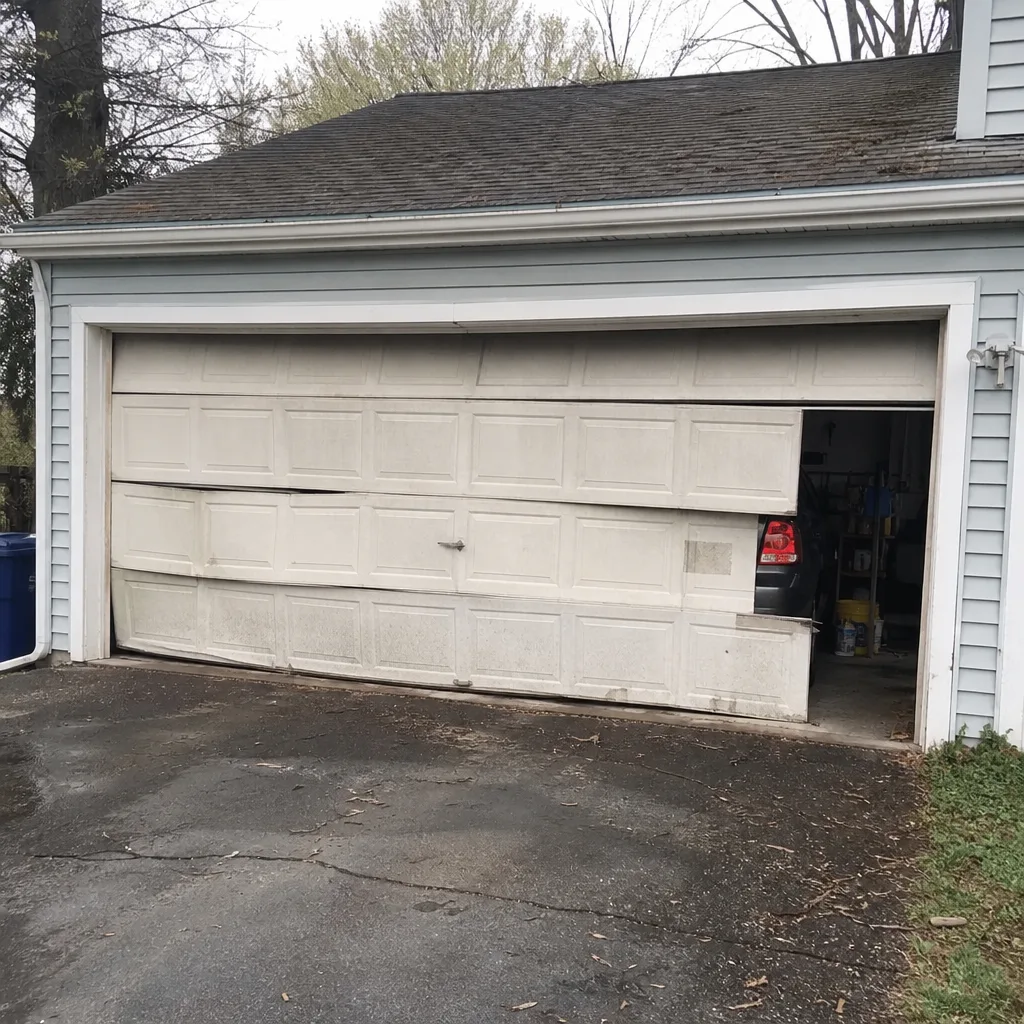 Before
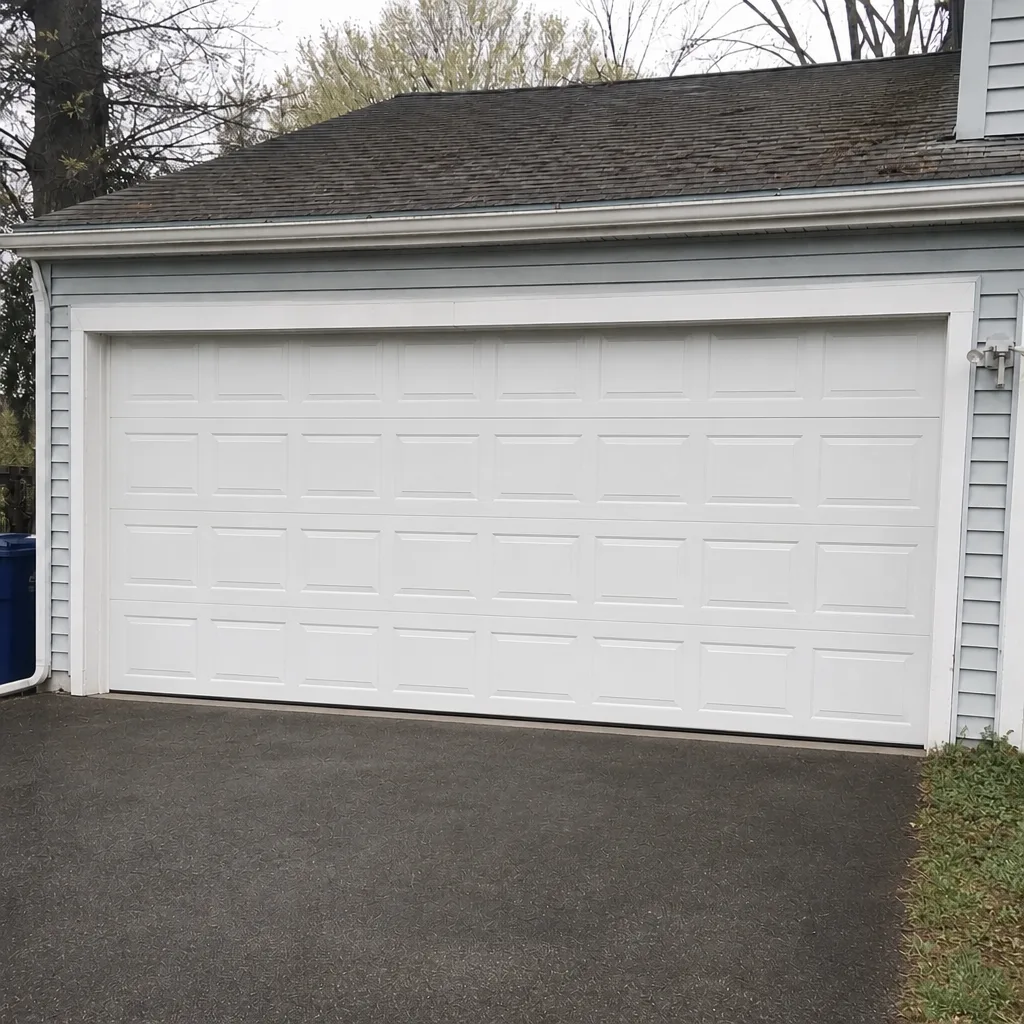 After
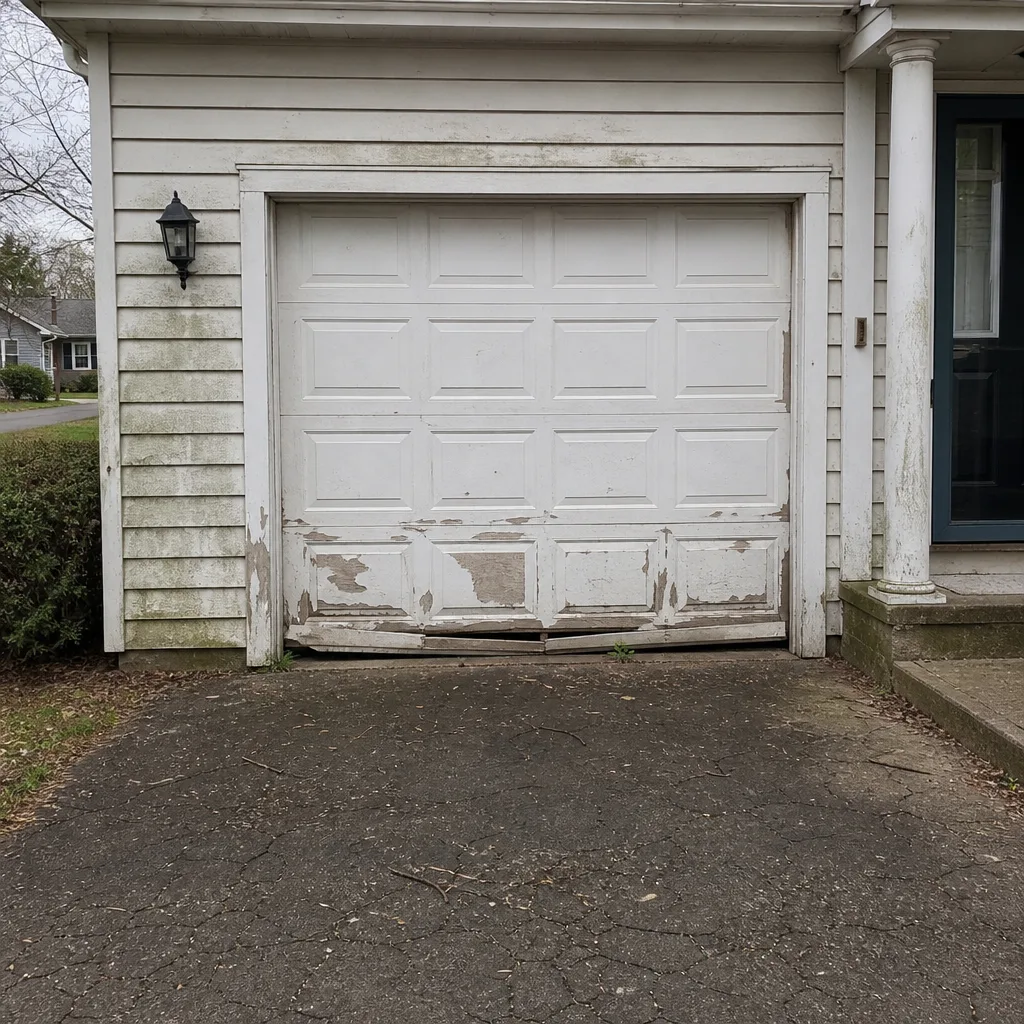 Before
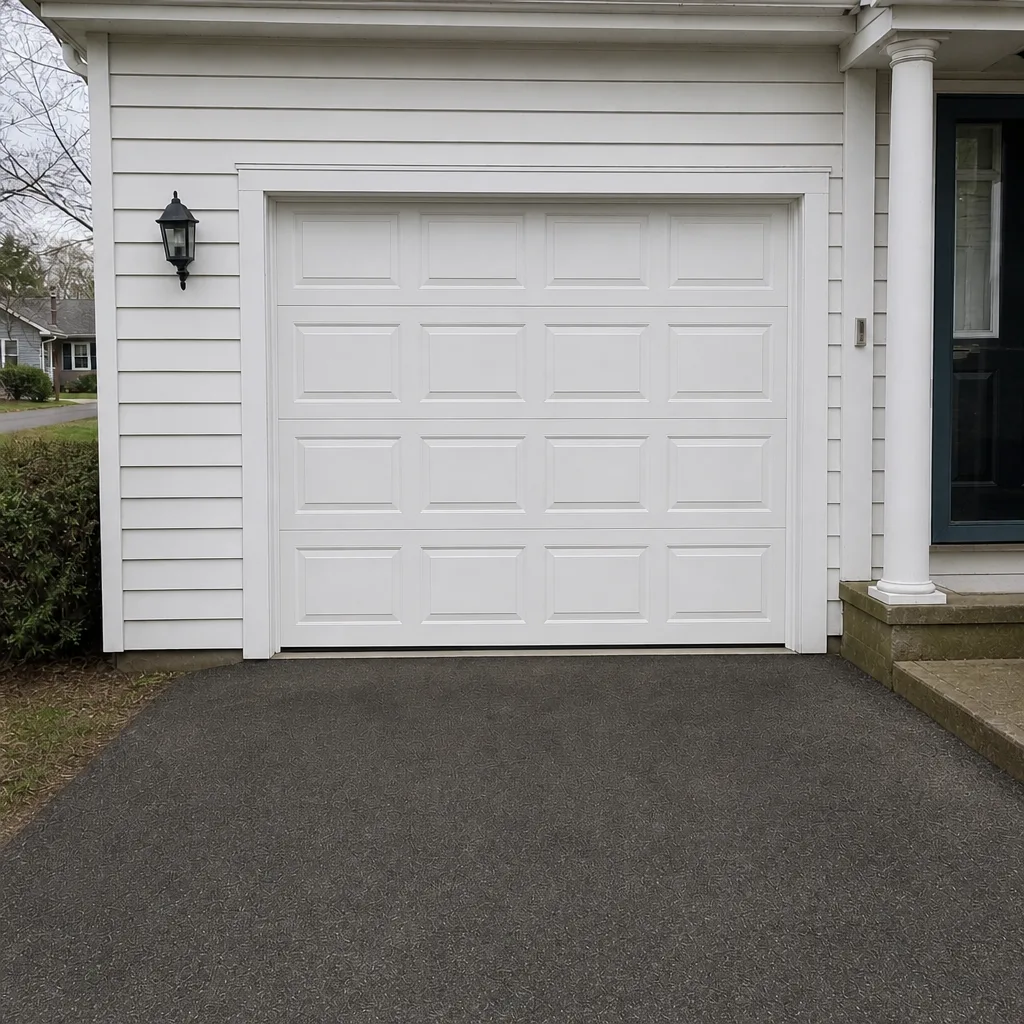 After
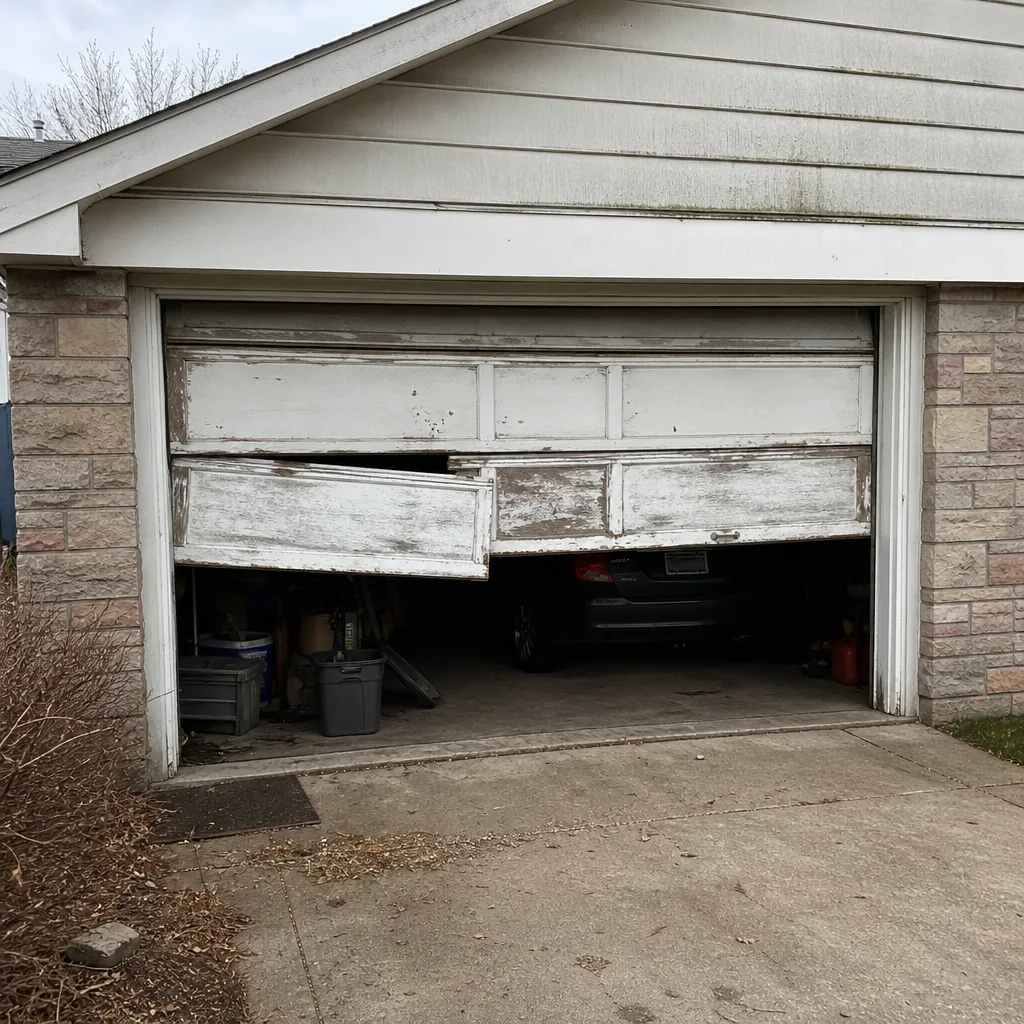 Before
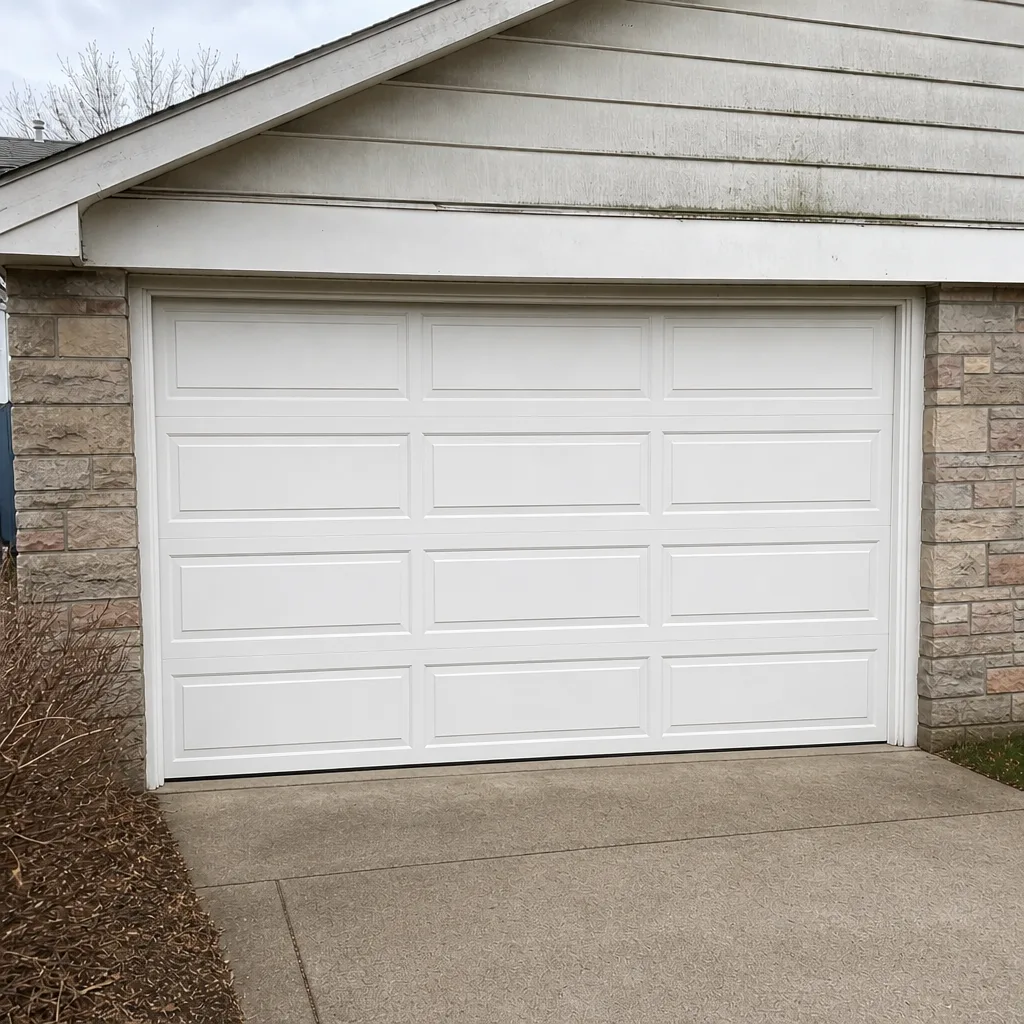 After
When to Call a Professional
Some seasonal tasks are yours, and some belong to a technician. Call when you hear the bang of a broken spring, when a cable looks frayed or bunched, when the balance test fails and the door drops or feels heavy, or when the door is binding in the tracks and lubrication doesn’t free it. Those are the situations where continuing to use the door adds wear to the opener and the tracks, and where safety matters most. If your opener behaves oddly after a humid stretch or a cold snap and the behavior persists, that’s worth a diagnostic too.
Danbury Garage Door Repair Pros offers free estimates in Danbury. Our technicians have up to 9 years of experience and handle everything from a snapped spring to a full new door installation, including emergencies. Call (855) 901-2958. We answer 24/7. Fast dispatch from 7am to 7pm, Sunday through Friday. The price is quoted and agreed before any work starts, and the written estimate sets the final price.
Frequently Asked Questions
Four times a year, aligned to the seasons, works best: a full prep sequence in fall, an inspection after the thaw, a humidity check in summer, and a cold-season watch through winter. Danbury’s distinct seasons each stress different parts of the door, so spreading the tasks across the year catches wear the way it actually develops.
Cold makes spring steel less ductile, so it puts more load on a less forgiving piece of metal at exactly the moment the door cycles against stiffer grease and possibly a frozen seal. A spring that was already losing tension tends to finish the job on the coldest morning. Keeping the door balanced and lubricated in fall reduces that stress load. Call (855) 901-2958 for an exact quote on spring repair; estimates are free.
You can lubricate hinges, rollers, and tracks yourself with a garage-door-rated product. Leave the spring and the cables to a technician. Those parts are under high tension, and adjusting or winding them is where the real injury risk lives.
Often humidity. Wood panels swell in Danbury’s humid summer, and a swollen panel can bind in the tracks. Check whether the finish is intact; bare or blistered paint lets moisture into the wood. If the tracks are straight and the finish is good and it still sticks, it’s worth a look at the rollers and alignment.
Hail is uncommon in this part of Connecticut, so a dented panel usually comes from an impact like a bike or a ladder rather than weather. If a panel is damaged, most major brands we work on can be repaired panel by panel rather than replacing the whole door.
No. The written estimate you get before any work starts is the price, and we confirm it with you first. If we find something during the work that changes the scope, we talk it through before doing anything, not after. Call (855) 901-2958 for a free estimate. We answer 24/7. Fast dispatch from 7am to 7pm, Sunday through Friday.
The Bottom Line
Seasonal garage door care in Danbury isn’t one chore done twice a year. It’s a calendar. Fall prep, done in the right order starting with the balance test, prevents the two most common winter failures: broken springs and frozen bottom seals. The spring thaw is inspection season for corrosion and cable fraying. Summer is when humidity acts on wood panels and opener boards. Winter is when you watch, listen, and keep the seal free of ice. Follow the month-by-month card, leave spring and cable work to a trained technician, and the February failure becomes the exception rather than the pattern.
When a season’s wear needs a professional, Danbury Garage Door Repair Pros is a single call for opener repair, spring repair, panel and door repair, and full installation. We work on your brand, from a Genie opener that needs a diagnostic to a Clopay door that needs a panel. Danbury Garage Door Repair Pros is here for the whole calendar. Call (855) 901-2958 for a free estimate. We answer 24/7. Fast dispatch from 7am to 7pm, Sunday through Friday.
Written by the team at Danbury Garage Door Repair Pros.