
Last updated November 23, 2026
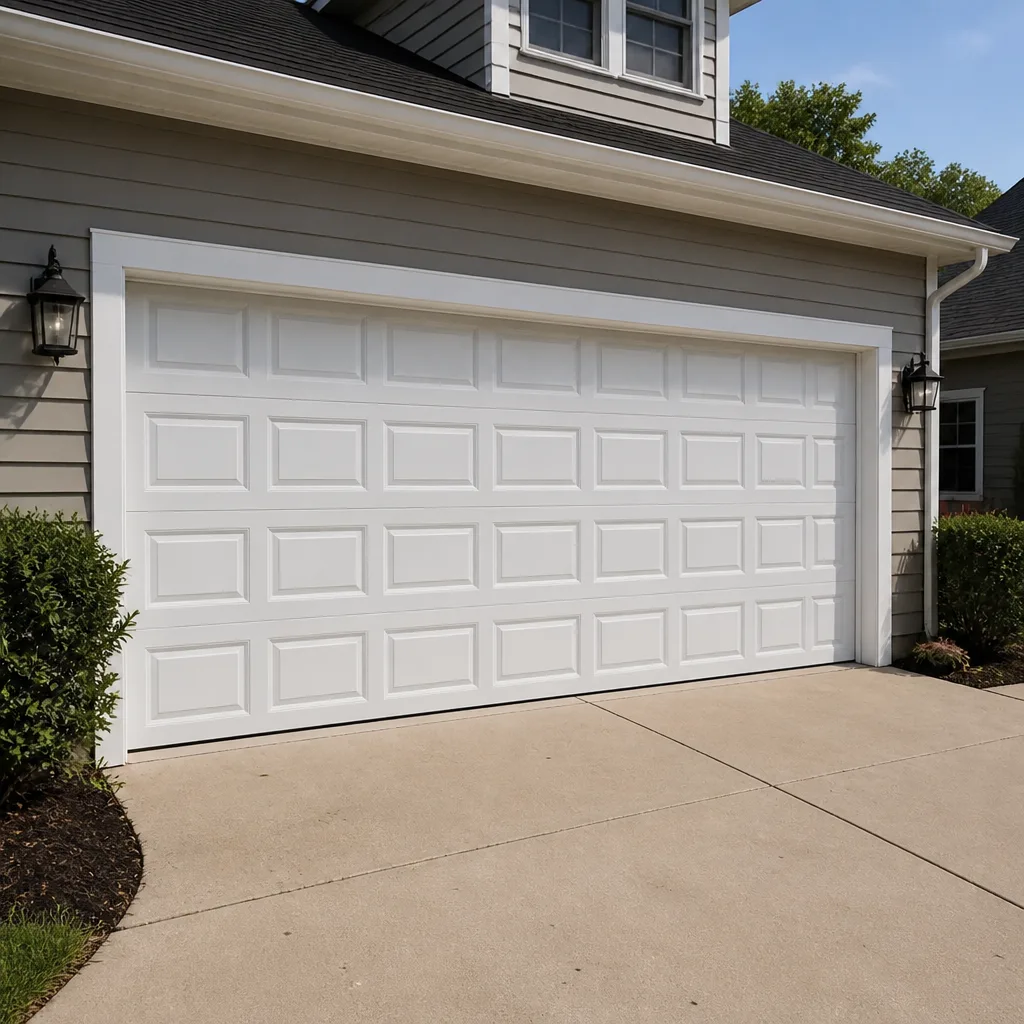 Raised-panel steel
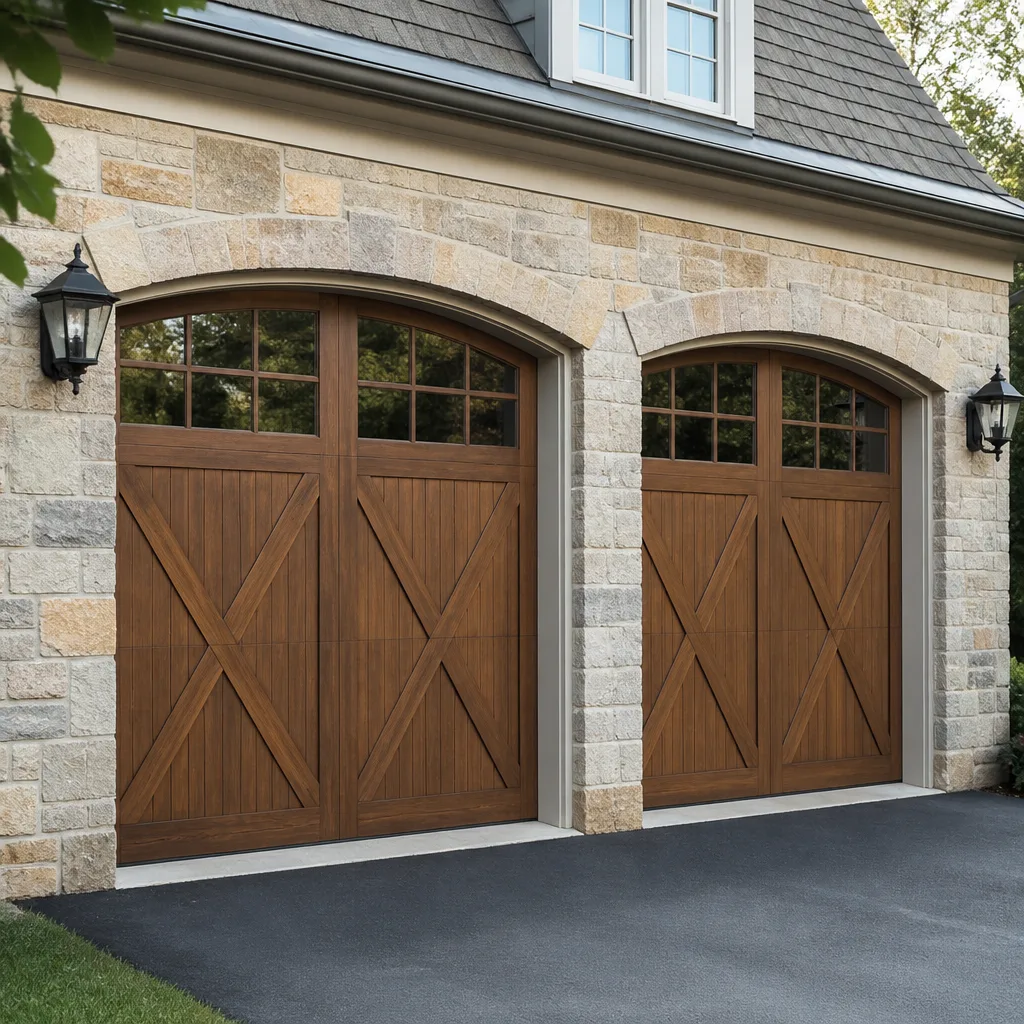 Carriage house
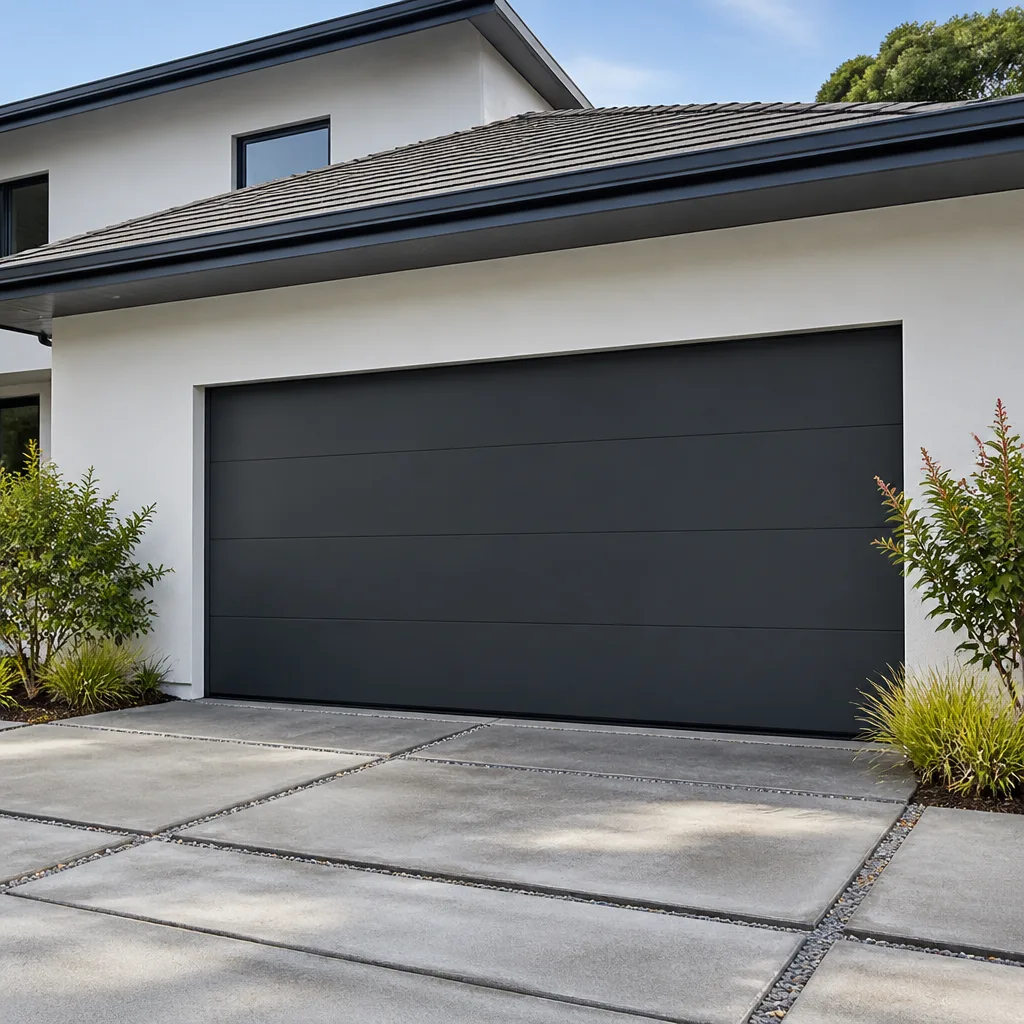 Modern flush
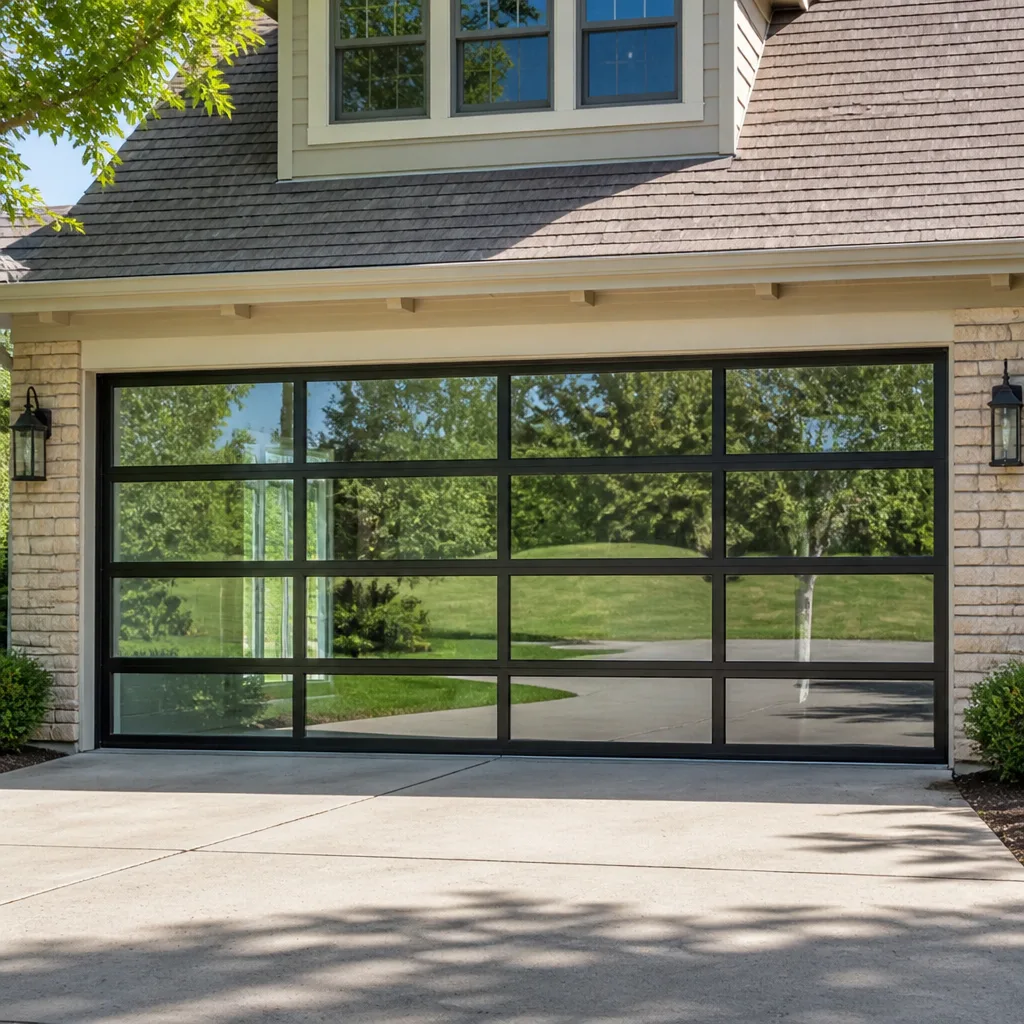 Full-view glass
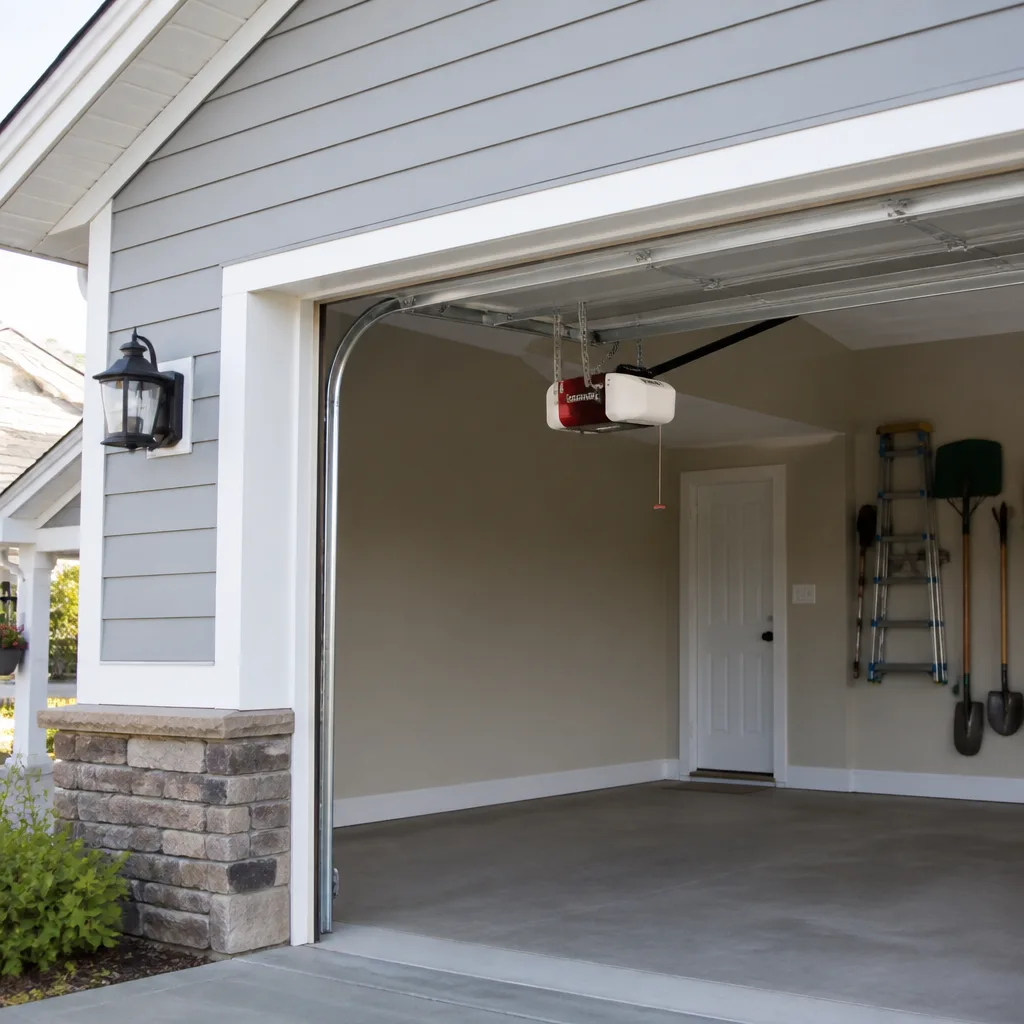 LiftMaster openers
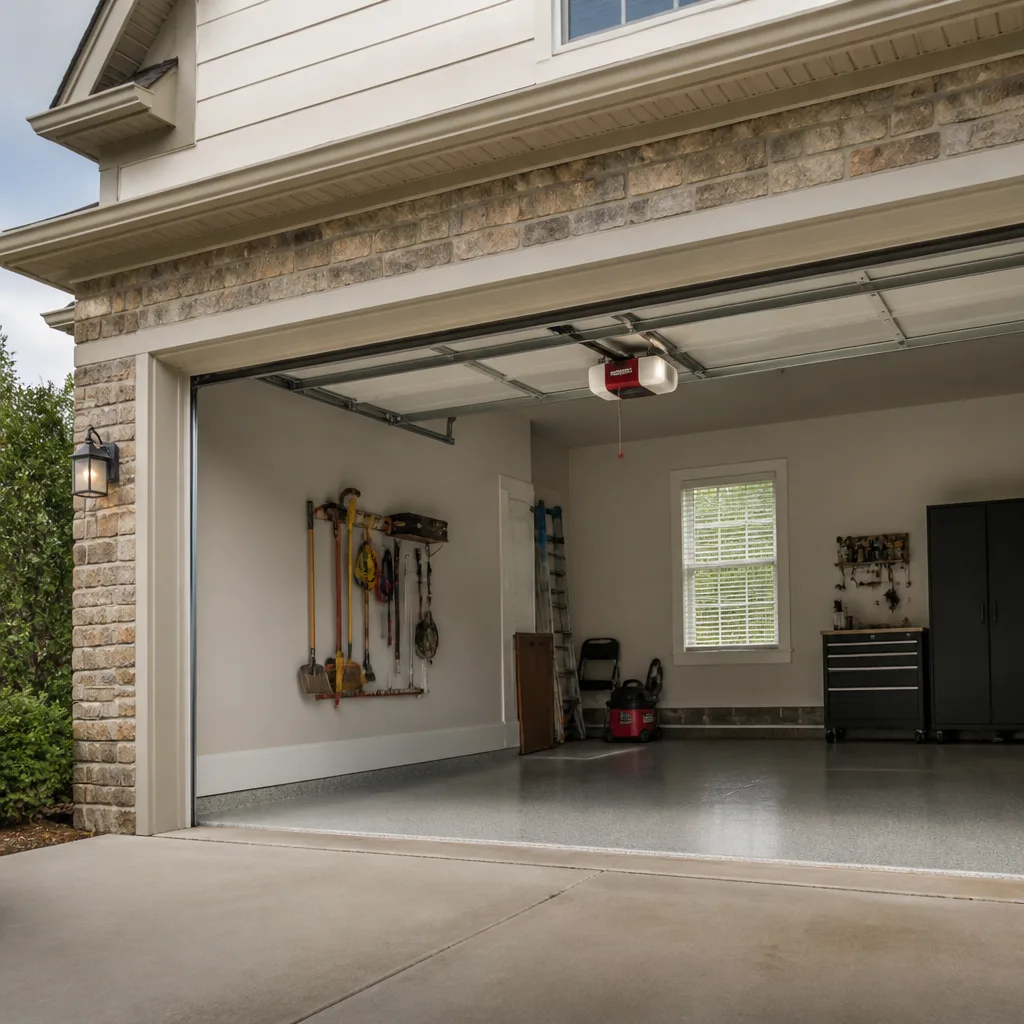 Chamberlain openers
Full 25-point door and opener safety check with every visit - springs, cables, rollers, tracks, and your LiftMaster or Chamberlain opener included
You get a price before we start. It does not change when the pro arrives.
Get your free estimateDIY vs Professional Garage Door: The Danbury Homeowner’s Decision Guide
Most garage door advice online splits into two useless camps: “never touch it, call a pro” or “here’s a YouTube video, you’ve got this.” Both miss the point. The real question isn’t whether you’re handy enough. It’s whether the specific task in front of you carries injury risk that doesn’t shrink no matter how many tutorials you watch. Some garage door work genuinely is yours to do in Danbury. Some of it can put you in the emergency room in under a second. This guide breaks it down task by task, with the reasoning behind each call, so you can decide with a clear head instead of a gut feeling.
Styles & brands we work with
- Raised-panel steel
- Carriage house
- Modern flush
- Full-view glass
- LiftMaster openers
- Chamberlain openers
Quick Answer
For most Danbury homeowners, the right split is this: springs, cables, and anything involving the door’s counterbalance system belong to a trained technician, because a torsion spring stores enough energy to cause serious injury instantly, and that risk doesn’t go down with experience or confidence. Lubrication, sensor alignment, track wiping, remote programming, and minor cosmetic fixes are reasonable DIY territory for a prepared homeowner. Opener electrical work sits in the middle and depends on your comfort with wiring. When in doubt, the safe default is a professional, and the estimate costs you nothing.
Table of Contents
- The Task-by-Task Split: What’s Yours and What Isn’t
- What a Prepared Danbury Homeowner Actually Needs
- What YouTube Doesn’t Show You
- The Real Cost Comparison in the Danbury Market
- Where DIY Voids Your Manufacturer Warranty
- How to Know When to Stop Mid-Job
- Danbury Climate, Housing Stock, and Your Door
- Common Mistakes to Avoid
- When to Call a Professional
- Frequently Asked Questions
- The Bottom Line
The Task-by-Task Split: What’s Yours and What Isn’t
Here’s the classification that actually matters. Not “easy vs hard,” but “risk that scales with skill vs risk that doesn’t.” A snapped torsion spring doesn’t care how careful you are. It stores hundreds of pounds of torque, and when it fails or when a DIYer releases it wrong, it releases all at once. That’s the whole reason spring repair is a standalone service rather than something folded into general repair.
Tasks that are reasonably yours
- Lubricating hinges, rollers, and the track. A garage-rated lubricant on the moving metal parts quiets a lot of noise complaints. No stored energy involved.
- Aligning safety sensors. If the door reverses on its own, check that the two sensors across the opening are pointed at each other with nothing blocking the beam. That’s a screwdriver and a walk-test.
- Programming a remote or keypad. On a LiftMaster, Chamberlain, Genie, or Craftsman unit this is usually a button press and a code entry. The manual tells you which button.
- Wiping the track and clearing debris. Dirt and grit cause binding. A rag and a check for anything leaning against the door goes a long way.
- Minor cosmetic dents. A small dent in a steel panel that doesn’t affect the seal or the door’s travel can often be left alone or addressed cosmetically.
Tasks that belong to a trained technician
- Torsion springs and extension springs. The single highest-risk job on any garage door. This is the one to respect without exception.
- Cables, drums, and the counterbalance assembly. Cables carry the spring tension. They’re just as dangerous as the spring and just as unforgiving.
- Replacing bent or snapped track sections. A mis-shimmed track throws the door off its path.
- Opener logic board or capacitor replacement. Line voltage plus charged capacitors is a real shock hazard, and this is where a lot of homeowner plans stall.
- Panel replacement on a sectional door. Panels are tensioned by the springs above them; swapping one means managing that load.
That gives you a working rule: if a job touches stored mechanical energy or line electricity, it’s not a DIY decision, it’s a safety decision. Everything else is negotiable based on your own comfort. For the repair side of the fence, our garage door repair service covers all of it in one call.
What a Prepared Danbury Homeowner Actually Needs
There’s a real difference between a homeowner with a plan and a homeowner with a phone video open and nothing else. If you intend to handle the light end of garage door upkeep yourself, here’s the baseline kit and mindset.
The tools that matter
- A garage-rated lubricant. Not WD-40, not motor oil. A dedicated garage door or lithium-based lubricant applied to hinges and rollers.
- Socket and wrench set. Standard sizes for hinge and roller hardware. Cheap sets slip and strip.
- Adjustable ladder with a spotter. Any work above your shoulders needs a second person. A stepladder alone on a concrete floor is a slip waiting to happen.
- Sturdy gloves and eye protection. Metal track edges cut. Spring work, in particular, throws debris and skin is not a shield.
- A flashlight or headlamp. Half of what stops a door is visible only when you’re looking at the right spot at the right angle.
The mindset that matters more
Baseline knowledge isn’t a list of steps. It’s knowing what the parts are called, which one is under tension, and how to tell when the door is out of balance. A balanced door, when released halfway, stays put. If it slams down or shoots up, the counterbalance is off and that’s a stop sign. That single balance check tells you more than any tutorial. Our technicians have up to 9 years of experience fielding exactly these calls, and the balance test is where most successful DIY intentions give way to a skilled trade problem.
What YouTube Doesn’t Show You
Video tutorials are genuinely useful for the low-risk tasks. They’re also edited around the parts that get people hurt. Here’s what gets cut.
- Winding a torsion spring requires two winding bars and a very specific release technique. Videos show the smooth versions. They don’t show what happens when a bar slips, and a bar slips on a real first attempt more often than anyone will admit.
- Doors fail mid-job. A door that’s been balanced for a decade can shift the moment a hinge is loosened. The camera stops. The risk doesn’t.
- Every door is different. Torsion vs. extension springs, standard-lift vs. high-lift tracks, different drum sizes. A video for one configuration can be actively wrong for yours.
- Overhead clearance and door weight aren’t visible. A standard sectional door is heavy. In our experience, most “I just lifted it” stories don’t include the part where the door dropped.
- The follow-up is missing. A properly done repair includes a balance test, a close-force check, and a sensor safety test afterward. Videos end at “there, done.”
There’s also the brand question. If you have a Wayne Dalton, Raynor, or older Craftsman system, the correct procedure for one design can damage the other. That’s part of why a brand-agnostic technician is worth having on your side, and why our garage door opener repair covers the systems most homes actually have.
The Real Cost Comparison in the Danbury Market
The cost conversation is trickier than a spreadsheet suggests, because the DIY side has three inputs that don’t show up on the parts receipt: time, risk, and what happens when the first attempt doesn’t work. Here’s the honest framing for the Danbury market.
What a task actually costs, side by side
- Spring repair. Professional spring replacement is quoted per spring, and a matched pair is usually replaced together, so a pair costs about twice a single-spring estimate. DIY cost here isn’t a savings number. It’s a risk you can’t price.
- Opener repair. A professional diagnostic and repair is priced per job by a written estimate. The DIY version often means replacing an opener that only needed a capacitor or sensor, which costs more than the repair would have.
- Lubrication and sensor alignment. Free or near-free DIY. This is where DIY genuinely wins and there’s no reason to call anyone.
- Panel replacement. A professional panel swap avoids buying a full door because the wrong panel was ordered. That’s a common DIY outcome when the manufacturer’s model number wasn’t matched correctly.
The honest comparison is really this: for spring and cable work, the safe choice is the only choice, and the professional estimate is free. For everything else, weigh your time and comfort against the written quote. The price is quoted and agreed before any work starts, so the written estimate sets the final number. If you want to know what spring work really involves, our garage door spring repair page walks through it without a false promise of DIY savings.
Where DIY Voids Your Manufacturer Warranty
This is the part that quietly costs homeowners the most, and it’s rarely discussed. Most garage door and opener warranties protect against defects in materials and workmanship, and they include conditions. Improper installation or repair can void coverage, and it usually does so without your realizing it until you have a claim.
Where this bites most often
- Spring and cable replacement. Spring assemblies are often part of the door system warranty. A non-qualified repair can leave you without coverage on the entire counterbalance.
- Opener electrical work. Splicing, replacing a logic board, or installing an opener outside the manufacturer’s spec is a common warranty exclusion. On a LiftMaster or Chamberlain system, the board and motor are often covered, but not when there’s evidence of a non-compliant install.
- Panel replacement with a mismatched panel. A panel that doesn’t match the model can create fit and seal problems the manufacturer won’t cover.
- Improper opener installation on a new door. A door and opener installed out of spec can void both warranties at once.
The practical rule is simple: if the task touches a warranted component, know the warranty terms before you start. If you can’t find them, that’s a signal to get a professional involved. When we handle a repair, the work is done to the manufacturer’s spec, so coverage stays intact. If you own a Wayne Dalton, Raynor, Amarr, or Clopay door, the model number on the door frame is the key to any warranty conversation, and it’s also the key to ordering the right part.
How to Know When to Stop Mid-Job
The best DIY skill isn’t starting. It’s knowing when to stop. A job that’s already half done is the hardest place to change course, but there are clear signals that something unexpected has made the project unsafe to continue. Stop, close up if you can do so safely, and call.
- The door won’t stay in place when released halfway. That’s a balance problem. If you’ve already loosened hardware, this means the counterbalance has shifted and the door needs a technician before you go further.
- You hear a sharp bang or feel a sudden release of tension. Stop. Do not touch the springs. Even a door that looks fine can have a failed adjacent spring.
- A cable has come off its drum or is frayed. Cables under tension are as dangerous as springs. Do not attempt to re-seat one.
- The door is binding hard on one side. A bent track or broken roller is now a structural question. Forcing it can throw the door and damage panels.
- You’re not sure which part is under load. If you can’t identify the counterbalance system with confidence, stop. Ambiguity is the warning.
- You’re working alone, on a ladder, above shoulder height. Get a spotter or stop. Falls, not springs, are the most common injury in this work.
Nobody at a professional garage door company is going to judge you for stopping. We get called mid-project regularly in Danbury. The job goes faster when you call earlier, and the safety question matters more than the pride one. If it’s an opener glitch rather than a spring problem, our garage door opener repair team can diagnose it today.
Danbury Climate, Housing Stock, and Your Door
Garage doors in Danbury don’t have the same wear calendar as doors in, say, Phoenix or Miami. That affects your DIY decisions in ways that aren’t obvious from a generic tutorial.
Seasons and wear
Danbury gets real winter: freeze-thaw cycles, road salt on the driveway, and snow packed against the door bottom. That wears weatherstripping and bottom seals faster than a milder climate. Replacing a bottom seal is one of the few mid-level tasks a homeowner can reasonably handle with the right part. Cold also stiffens grease and metal, so a door that squeaks in January and runs smooth in July is telling you about lubrication, not failure. Lubrication is a genuine DIY win here.
Housing stock
Older homes in Danbury often have original wood-frame doors or older steel doors with extension springs, which behave differently from modern torsion systems. Newer construction and renovated homes tend toward torsion springs and modern openers from LiftMaster or Wayne Dalton. The single most useful thing you can do before any DIY attempt is identify which system you have. If you can’t, that’s not a failure, it’s information: it means the job deserves a professional look.
What this means for DIY decisions
- Lubrication and seal replacement: higher priority in Danbury than in milder climates, and both are within reach.
- Spring and cable work: identical risk to anywhere else, no climate exemptions.
- Opener electrical: identical risk, plus the code and warranty questions are not local.
Common Mistakes to Avoid
- Using WD-40 on the track and rollers. It’s a solvent, not a lubricant. It strips the grease and leaves the track dry, which accelerates binding. Use a garage-rated lubricant.
- Adjusting the travel limits before checking the sensors. Half the “door won’t close” calls we see are a sensor problem, not a limit problem. Fix the beam first, then the limits.
- Ordering a panel without the model number. The model is usually on the door frame or the opener unit. A panel that fits one Wayne Dalton won’t fit another design, and the return shipping is on you.
- Attempting a spring repair with one winding bar. Two are required for a reason. Winding with one is where most serious injuries happen.
- Spraying lubricant on the springs or the tracks. Springs and tracks don’t get lubricated in the way hinges and rollers do. Over-lubricating the track makes a sticky mess and attracts grit.
- Ignoring a frayed cable because the door still opens. A frayed cable is a warning. It will fail. Treat it as failing.
- Forgetting the post-repair safety test. Every repair, DIY or professional, should finish with a balance check, close-force check, and sensor test. Skip it and you won’t know there’s a problem until it’s a real one.
When to Call a Professional
Call a professional in Danbury if any of the following is true: the door won’t balance when released halfway, a spring or cable has failed, the door won’t move at all, the opener is making a grinding or humming noise without moving the door, a panel is dented or cracked in a way that affects the seal, or the door has come off its track. Call earlier if you started a DIY repair and hit any of the mid-job stop signals above.
Danbury Garage Door Repair Pros offers free estimates in Danbury. We work on the major brands most homes actually have, including LiftMaster, Chamberlain, Genie, Clopay, Amarr, Wayne Dalton, Craftsman, and Raynor. If you’re not sure whether your job is a DIY or a professional one, call (855) 901-2958. We answer 24/7. Fast dispatch from 7am to 7pm, Sunday through Friday.
Frequently Asked Questions
No. Spring replacement is the one garage door task we tell every homeowner to leave to a trained technician, because torsion and extension springs store enough tension to cause serious injury in a fraction of a second, and the risk doesn’t drop with experience. If a spring has failed, don’t attempt a workaround. Call (855) 901-2958 for a free estimate, and we’ll arrange a technician to handle it safely.
Yes. Lubricating hinges, rollers, and the track is a reasonable DIY task in Danbury and one of the best things you can do for a door that squeaks or runs stiff in the winter cold. Use a garage-rated lubricant, not WD-40, and keep it off the springs and the track surface itself. That’s the safe part.
It can. Most door and opener warranties include conditions on installation and repair, and improper work on a warranted component can void coverage for that component or the system. Spring and cable repairs and opener electrical work are the most common warranty problems. If you’re unsure, call (855) 901-2958 and we’ll walk through it with you. Estimates are free.
Professional spring replacement is quoted per spring, and matched pairs are usually replaced together, so a pair costs about twice a single-spring estimate. The exact price comes from the written estimate, agreed before any work starts. Springs are not a DIY job at any price. Call (855) 901-2958 for a free estimate and leave the spring work to a trained technician.
Same-day service is part of what we do for urgent failures, and a door stuck open is a real security and safety problem. Call (855) 901-2958. We answer 24/7, and fast dispatch runs from 7am to 7pm, Sunday through Friday. A call outside dispatch hours is booked into the next opening.
No. The price is quoted and agreed before any work starts, and the written estimate sets the final number. If we find something the original estimate didn’t cover, we’ll tell you and get your approval before doing that work. Call (855) 901-2958 for a free estimate.
The Bottom Line
The DIY vs. professional question for a garage door isn’t about whether you’re capable. It’s about which tasks have risk that doesn’t shrink no matter how careful you are. Lubrication, sensor alignment, seal replacement, remote programming, and minor cosmetic work are yours. Springs, cables, track replacement, opener electrical work, and panel swaps belong to a trained technician. Learn your system, know the balance test, and stop the moment something unexpected shows up. If you want a straight answer about your specific door, call Danbury Garage Door Repair Pros at (855) 901-2958. Estimates are free, and we work on the brands most Danbury homes already have. Our Danbury Garage Door Repair Pros team is ready to help.
Written by the team at Danbury Garage Door Repair Pros.
See the difference
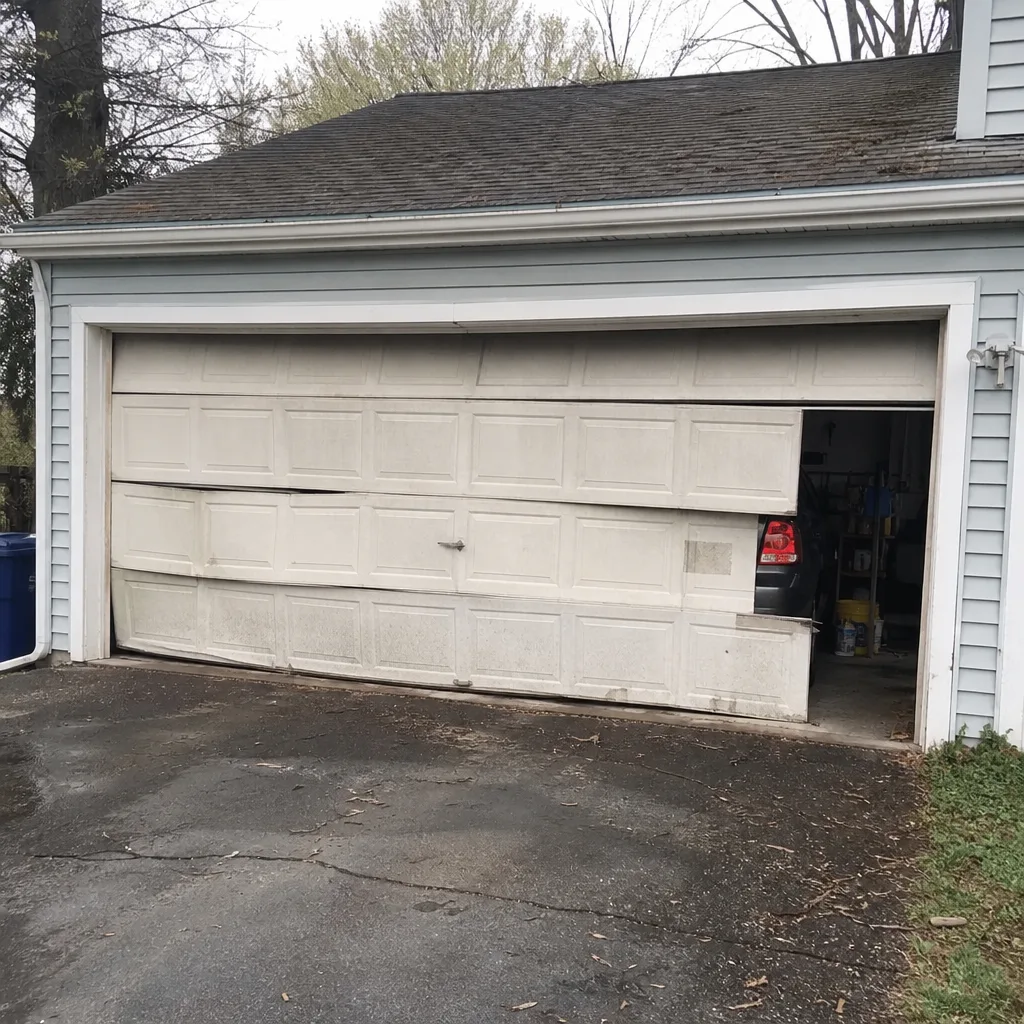 Before
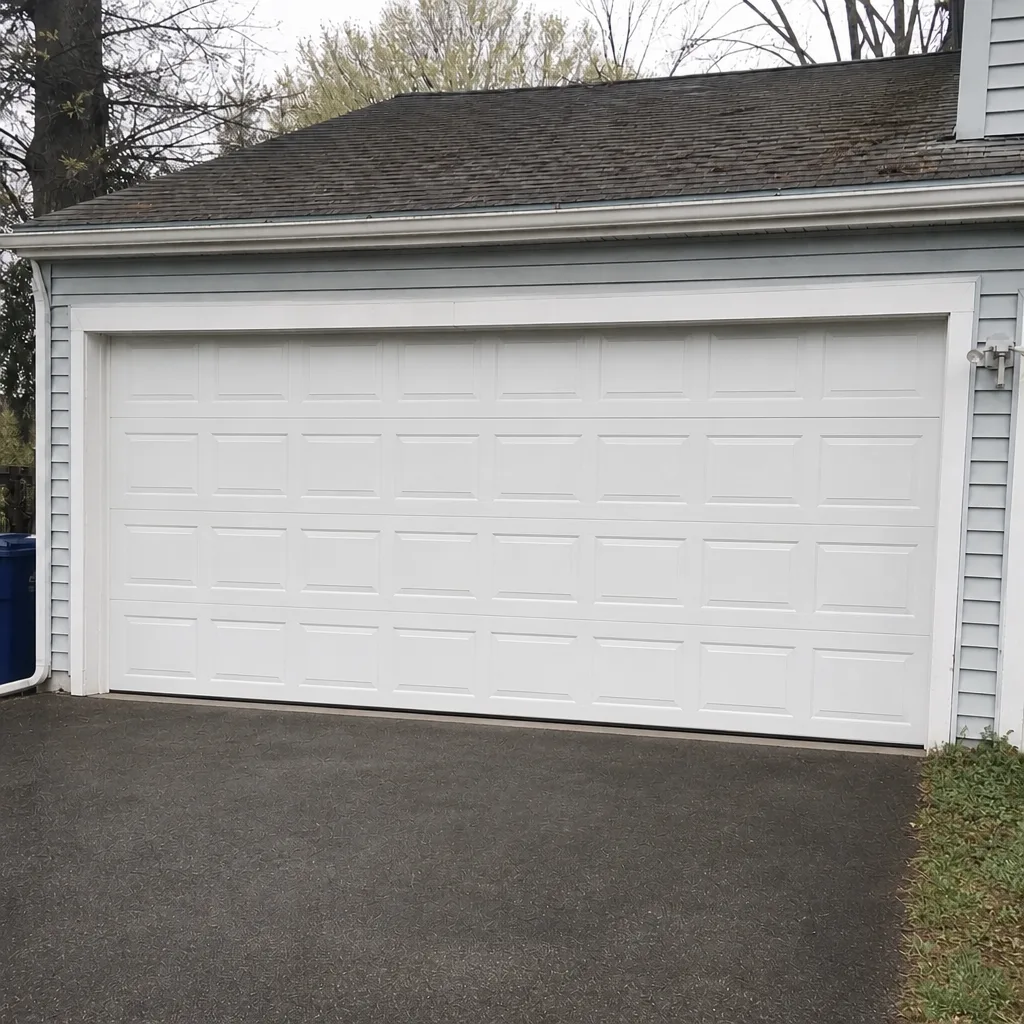 After
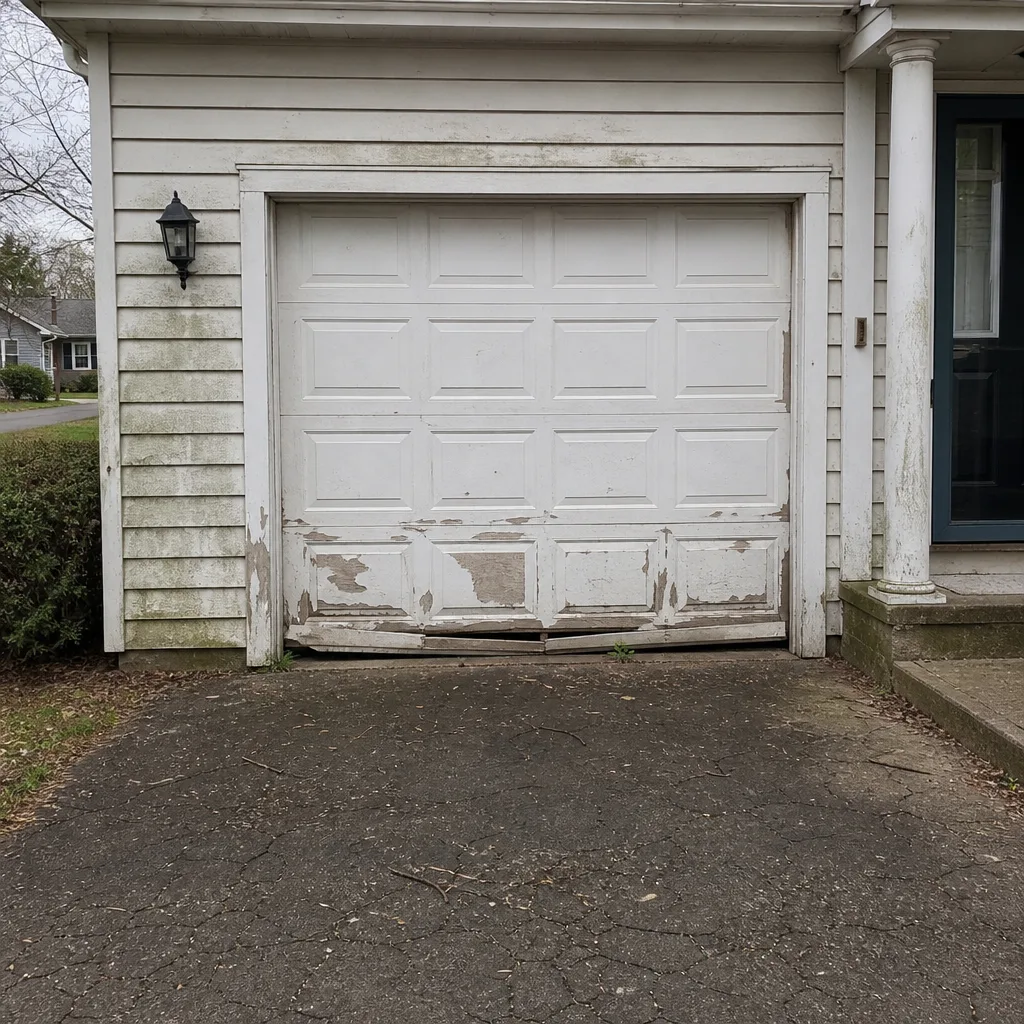 Before
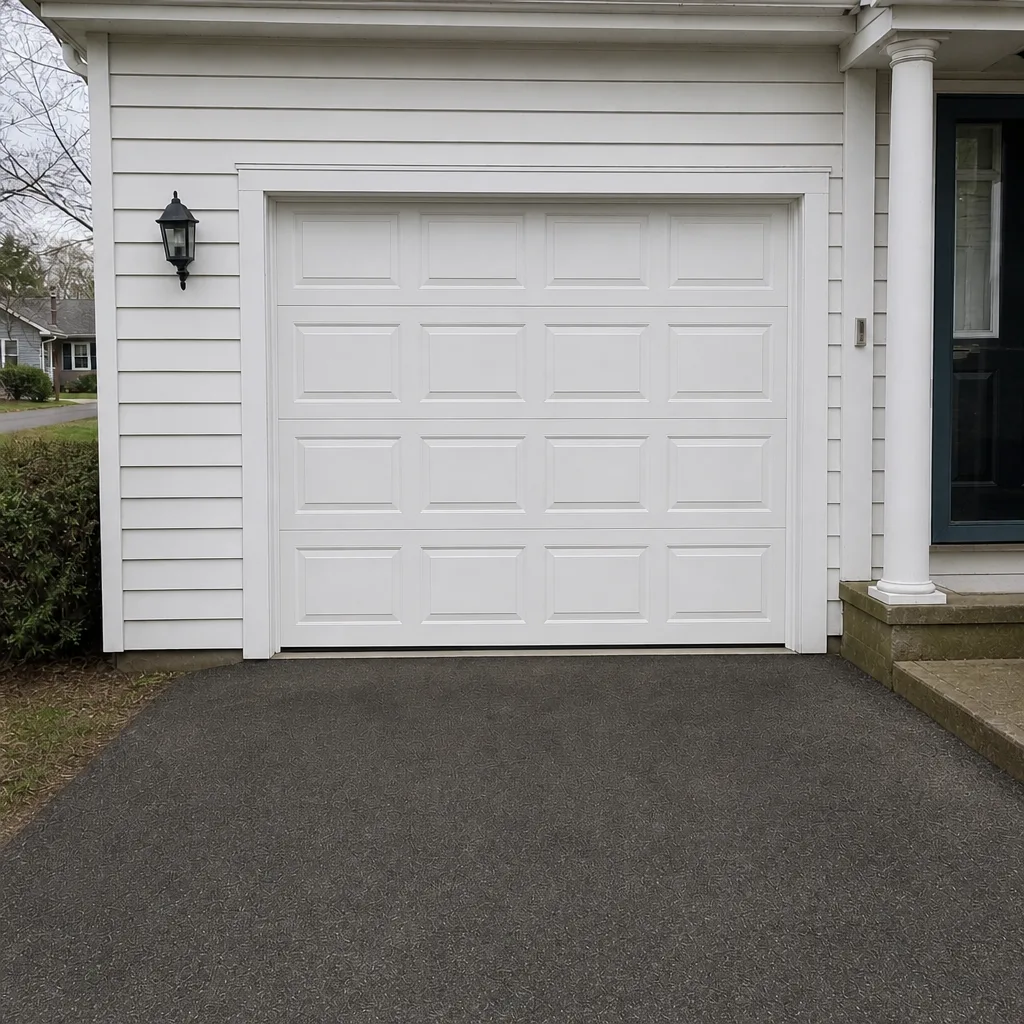 After
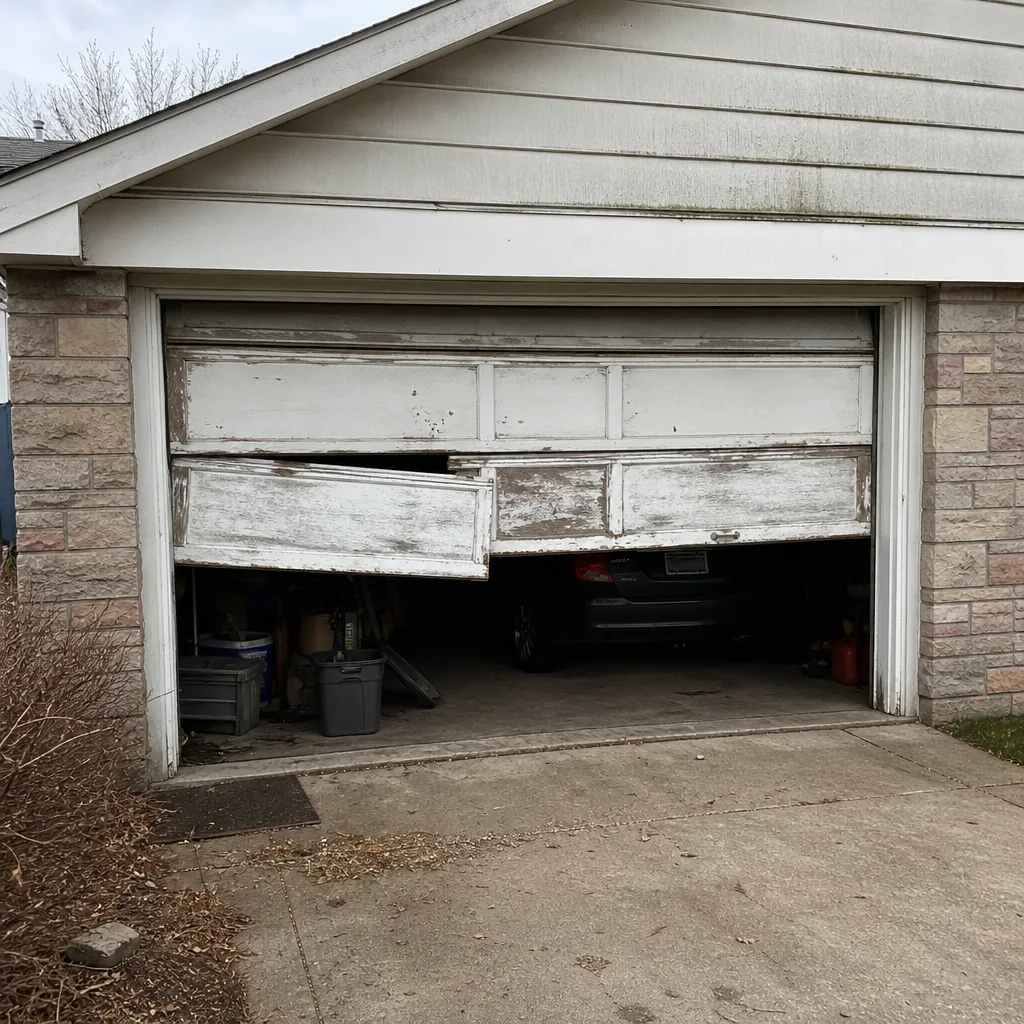 Before
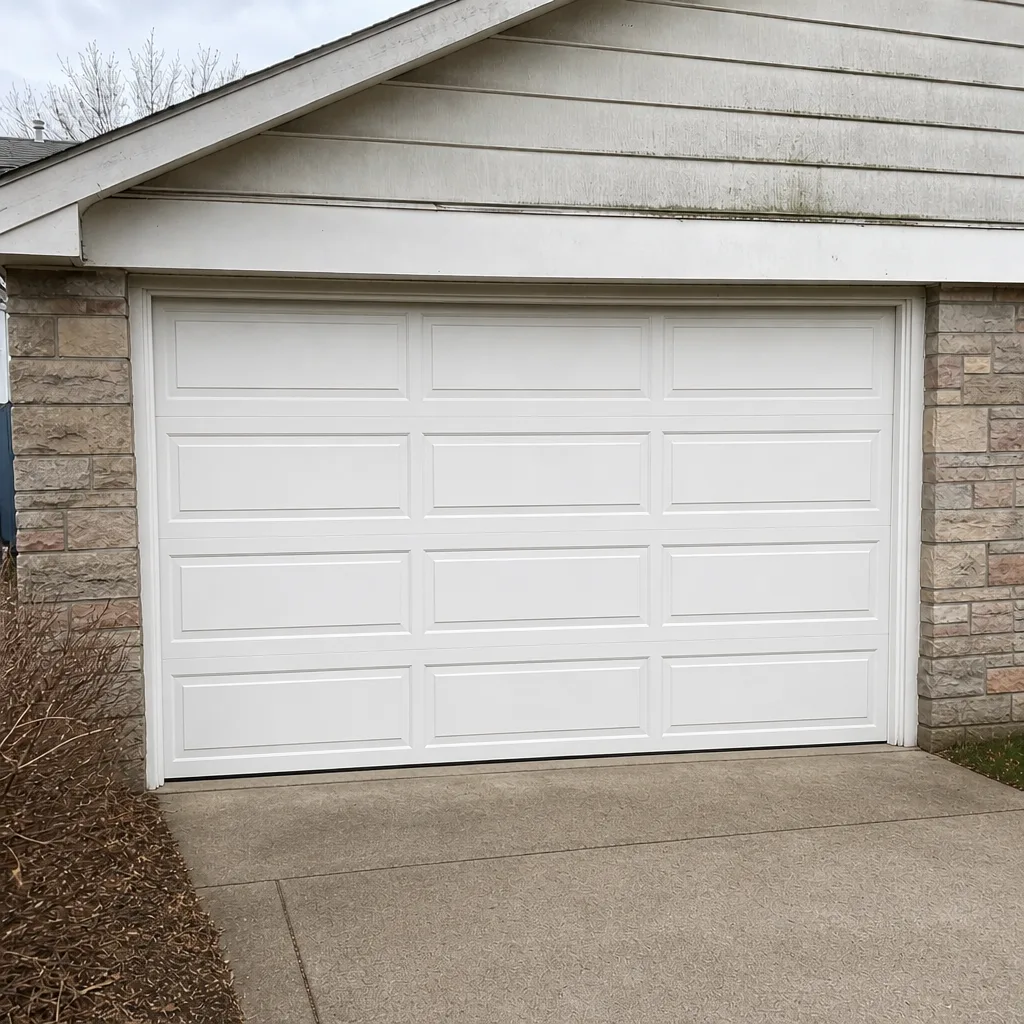 After