
Last updated November 23, 2026
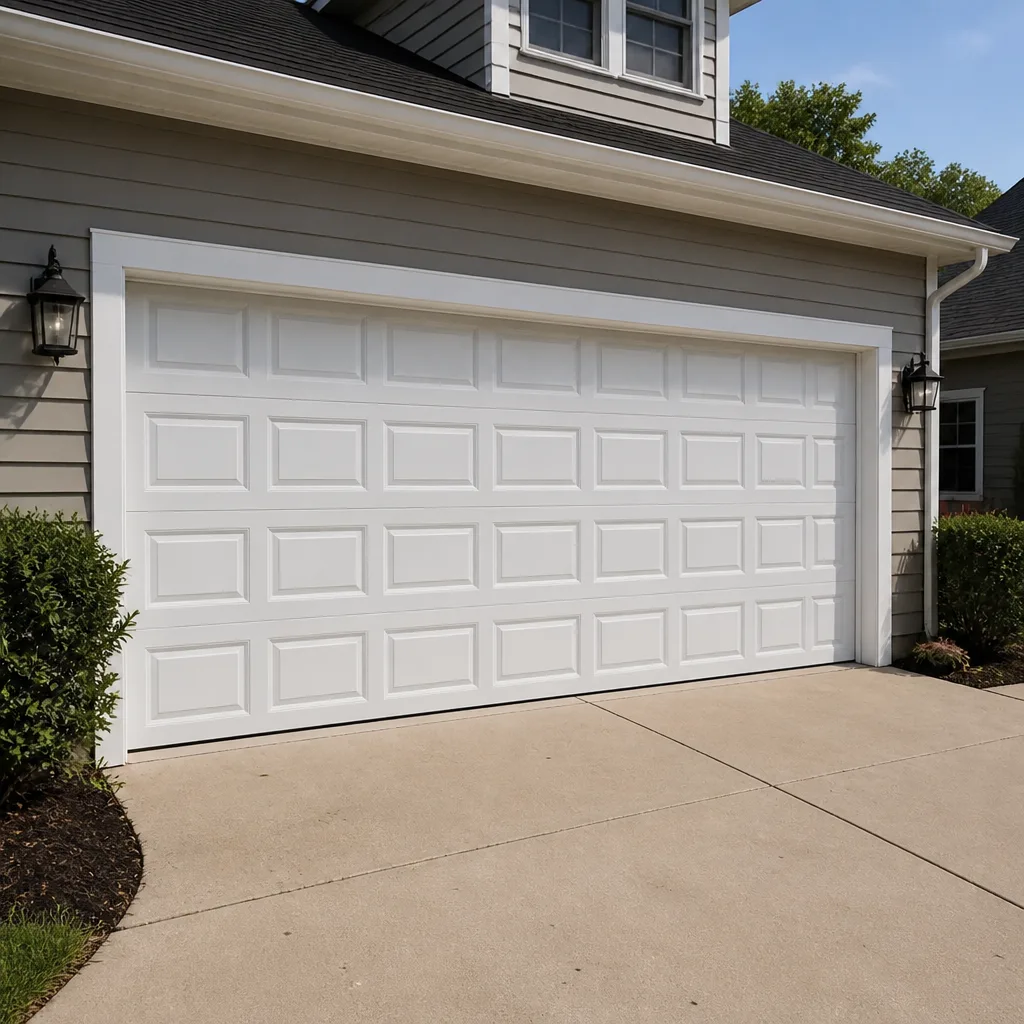 Raised-panel steel
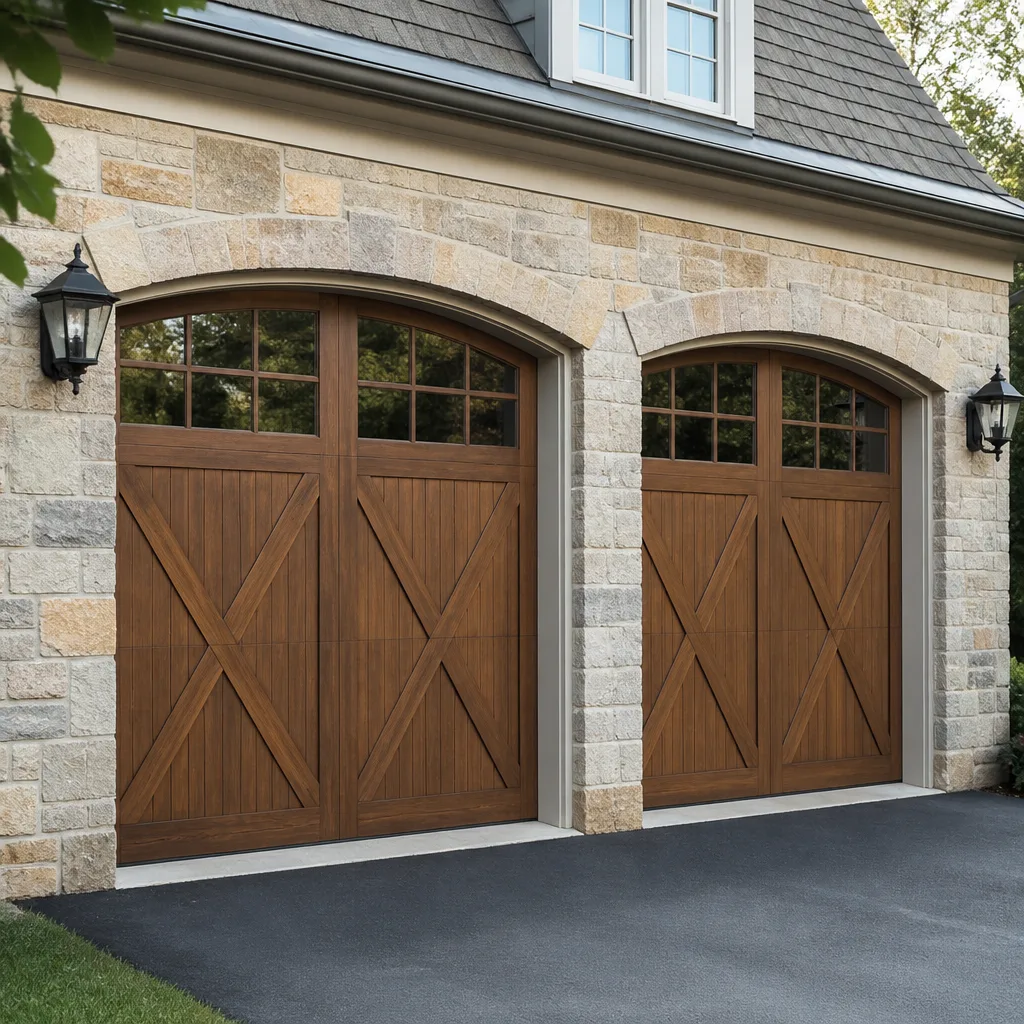 Carriage house
 Modern flush
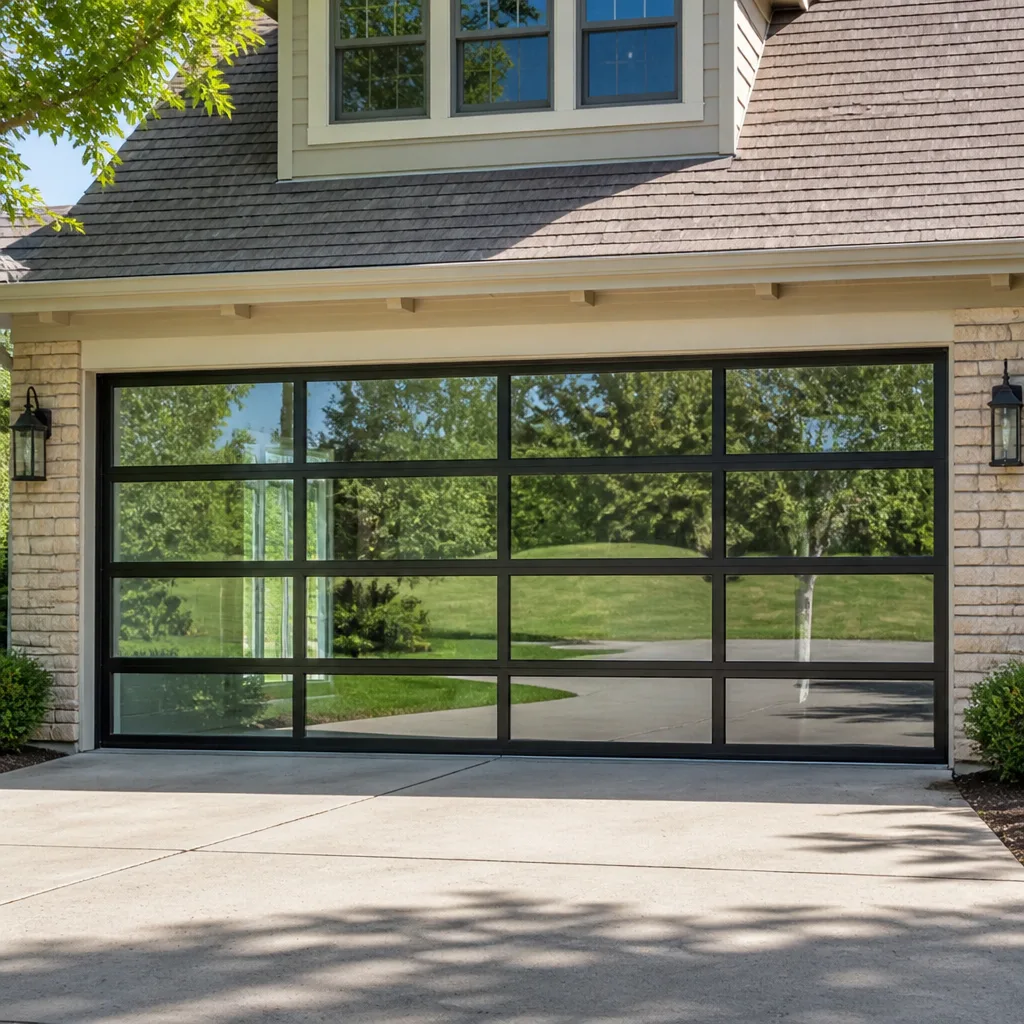 Full-view glass
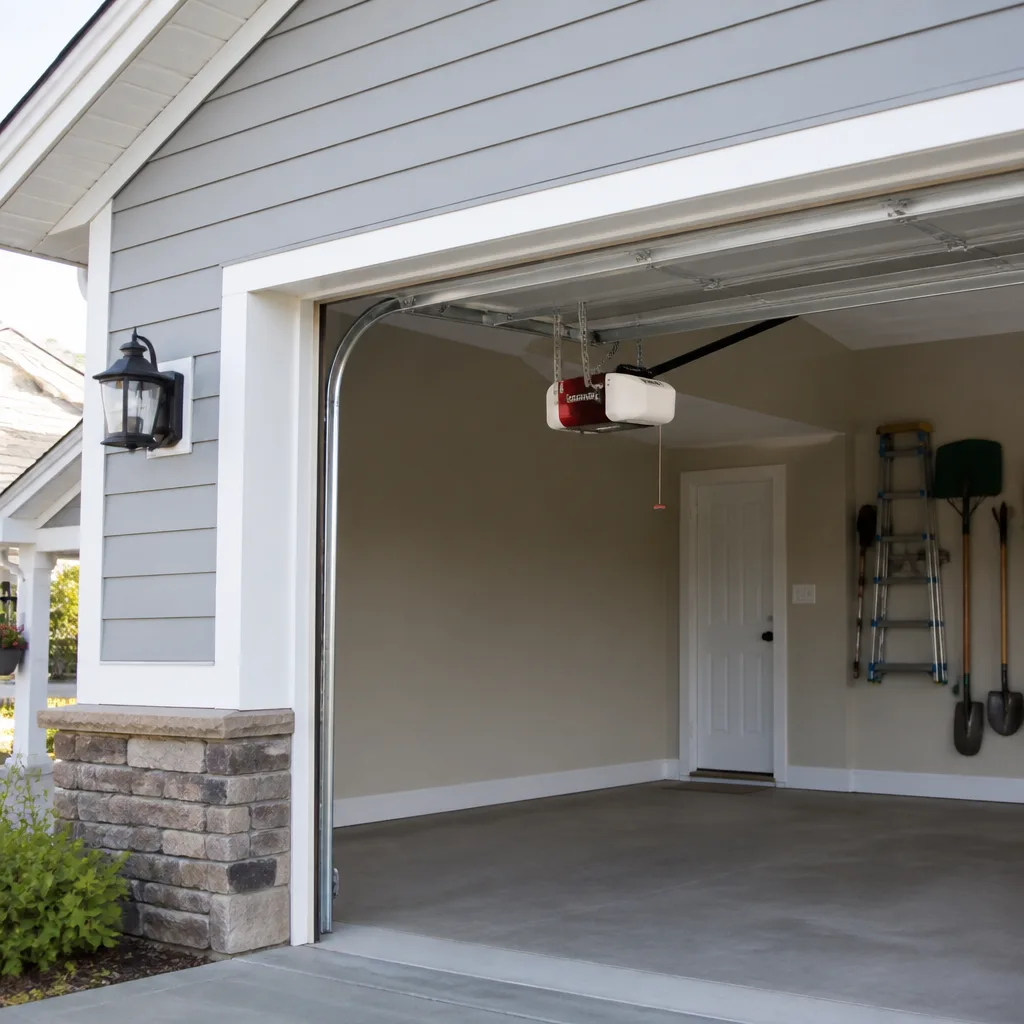 LiftMaster openers
 Chamberlain openers
Full 25-point door and opener safety check with every visit - springs, cables, rollers, tracks, and your LiftMaster or Chamberlain opener included
You get a price before we start. It does not change when the pro arrives.
Get your free estimateGarage Door Repair Maintenance Checklist for Danbury Homeowners
The number-one repair call we get in Danbury in January is a broken spring. It’s almost always preventable with one specific check that takes under two minutes in October. Most published maintenance checklists get the timing wrong. They either list generic tasks with no schedule behind them or push checks so often that no busy homeowner keeps up. This guide is built around the failure points that actually show up in Danbury service calls: our freeze-thaw winters, the grit that builds up on tracks, and the weatherstripping that quietly tears. You’ll get a realistic 12-month schedule, cold-weather lubricant guidance, and a clear line between what’s safe to handle yourself and what isn’t.
Quick Answer
A Danbury garage door needs a short safety check every month, a deeper tune-up twice a year (before winter sets in and again after the thaw), and a pre-winter inspection in October covering weatherstripping, the bottom seal, and track alignment. Four tasks – lubricating the moving parts, testing the balance, testing the auto-reverse, and clearing the tracks – cover most of what prevents a spring failure or a stuck door. Spring, cable, and torsion work belongs in the hands of a trained professional, not on a homeowner’s checklist.
Styles & brands we work with
- Raised-panel steel
- Carriage house
- Modern flush
- Full-view glass
- LiftMaster openers
- Chamberlain openers
Table of Contents
- The Five-Minute Monthly Check
- October’s Pre-Winter Inspection
- The Right Lubricant for Connecticut Cold
- What’s Safe to Do Yourself and What Isn’t
- How to Test Balance and Auto-Reverse in Under Five Minutes
- A Realistic 12-Month Schedule for Danbury’s Seasons
- When Maintenance Isn’t Enough
The Five-Minute Monthly Check
Five minutes once a month catches most small problems before they become service calls. You don’t need tools. You need your eyes, your ears, and a flashlight. Set a recurring reminder on your phone for the first of each month and treat it the same way you’d treat checking a smoke alarm battery.
Here’s what to look at, in order:
- Listen to the door. Stand near it as it cycles. A smooth door makes a steady hum plus a light mechanical whir. Grinding, squeaking, or a rhythmic clunking tells you something needs attention.
- Watch the travel. The door should rise and lower evenly with no hopping, jerking, or lagging on one side.
- Check the bottom seal. Look for tears, gaps, or a seal that’s pulled loose from the door’s bottom edge. In Danbury, this matters more than most places because a broken seal lets in cold air and meltwater.
- Look at the tracks. Run your eyes along both side tracks. Look for visible dents, kinks, or debris resting against the door path.
- Scan for rust or wear. Small rust spots on hinges and rollers are normal and harmless; heavy corrosion or wobbling rollers mean replacement.
Every quarter, add a quick wipe-down of the photo-eye lenses at the bottom of the tracks. Dust and spider webs cause more false reverses than any mechanical issue. If your door uses a LiftMaster or Chamberlain opener, this is especially worth doing because their obstruction sensors are sensitive and a dirty lens will stop the door mid-travel. A quick wipe with a dry cloth is enough.
Any noise or movement you can’t explain after the monthly check is worth a call. Our garage door repair team can look at what’s happening, and we work on Craftsman, Clopay, and other major systems so you aren’t sent somewhere else.
October’s Pre-Winter Inspection
This is the single most important inspection on the calendar for a Danbury homeowner, and it’s the one most people skip. The October check catches the wear that turns into a January spring failure. The logic is simple: freeze-thaw cycles work on a garage door the same way they work on a driveway. Water gets in, freezes, expands, and loosens things. When the temperature drops below freezing and stays there, the door has to work harder to lift a heavier door, and any wear that went unfixed through the fall becomes a failure.
Do these seven things before the first hard freeze:
- Inspect the bottom seal. A worn seal lets in cold air and meltwater. Run a hand along it and look for cracks or separation. Replace it if the rubber has hardened.
- Check the weatherstripping around the frame. Look at the sides and the header for gaps, peeling edges, or a compressed seal that’s no longer touching the door.
- Test the door’s balance. Details are in the section below, but do this now while you have time to book a repair before winter.
- Look at the track screws. Loose track brackets wobble more when the weather shifts. A quick tightening of loose screws with a screwdriver is safe and easy.
- Clear debris from the tracks. Pine needles, leaves, and grit collect in the track channel through the fall. A vacuum nozzle and a dry cloth handle it.
- Test the auto-reverse. If it doesn’t reverse cleanly, don’t wait. Either adjust the opener’s close-force setting per your owner’s manual or call a professional.
- Lubricate the moving parts once. This should be the last thing on the list, so nothing fresh gets laid down under the debris you just cleaned out.
Our technicians have up to 9 years of experience and know what a Danbury door looks like after a bad winter. A pre-winter inspection is a small cost against a mid-winter emergency. If you spot something you can’t safely fix, our garage door spring repair service covers springs, cables, and the other hardware that fails first in cold weather.
The Right Lubricant for Connecticut Cold
Not all lubricants work in Connecticut winters. The wrong one becomes a problem the moment the temperature drops below 20°F. Generic household oil, WD-40 in its standard aerosol form, and most petroleum-based sprays thicken into a gummy paste in cold weather. That paste holds onto grit and creates drag exactly when the door is already working harder.
What works in cold:
- White lithium grease in a tube or spray. Stays effective in cold and doesn’t attract as much dust as heavier greases.
- Silicone-based lubricant. Best for rollers and hinges; remains slick down to very low temperatures.
- Cold-rated garage door grease. Labeled for winter use; a light coat on the torsion bar’s bearings is enough.
What to avoid:
- Standard WD-40. It’s a water displacer, not a lubricant. It works fine for loosening a stubborn bolt; it’s a poor choice for rollers and hinges in the cold.
- Engine oil or motor grease. Too heavy. It holds grit and thickens below freezing.
- Cooking spray. Sounds harmless. It isn’t a lubricant at all and will leave a sticky residue.
A light coat is all you need. More lubricant is not better lubricant; excess attracts dirt and adds drag. Apply to the torsion bar bearings, the hinge points, the roller stems, and the opener’s rail (if it’s a chain or screw drive), then cycle the door once to spread it. Wipe off any drips. If your opener is a Genie or Raynor model, some use a belt drive where the manual specifies a different lubricant schedule – check the manual, and if it’s unclear, contact the manufacturer or call us.
What’s Safe to Do Yourself and What Isn’t
Here’s the honest split. About half of what’s on a typical garage door checklist is genuinely safe for a homeowner with a flashlight and a screwdriver. The other half looks like routine maintenance and isn’t.
Safe to handle yourself:
- Visual inspections of the door, weatherstripping, bottom seal, and tracks
- Wiping down the photo-eye lenses
- Tightening loose track bracket screws
- Clearing debris from the tracks
- Lubricating the moving parts (see the section above)
- Testing balance and auto-reverse by following the manufacturer’s instructions
- Replacing the opener’s batteries and remote batteries
- Adjusting the opener’s travel limits and close-force settings per the owner’s manual
Not safe to do yourself:
- Torsion spring work. A wound torsion spring holds an enormous amount of energy. Releasing the tension incorrectly can cause serious injury. This is not a DIY task under any circumstances.
- Extension spring work. Also under tension, also dangerous, and requires the correct tools and technique.
- Cable replacement. The lift cables run at high tension alongside the springs and can snap without warning.
- Adjusting the torsion bar. Every adjustment has to be made with proper winding bars and with the door in the right position. The wrong movement can release the spring.
- Replacing the bottom bracket. Often under the same tension as the cables.
- Lifting or moving the door panels without knowing the panel weight and the counterbalance condition.
If something on the second list needs attention, call a professional. A garage door’s springs, cables, and bottom brackets can release stored energy suddenly, and no amount of caution changes that. A trained technician has the tools to release and reset the tension safely. We handle torsion and extension spring work as a dedicated service, including on Clopay, Amarr, and Wayne Dalton doors, without the “let’s see if we can source the part” runaround.
How to Test Balance and Auto-Reverse in Under Five Minutes
Both tests take about two minutes each and tell you a lot about whether your door is headed for trouble. Do them once a month in the winter, once a season in the milder months.
The balance test:
- Close the door, then disconnect the opener using the manual release handle (usually a red cord hanging from the opener rail).
- Lift the door by hand to about halfway up, then let go.
- Watch what happens. A balanced door stays roughly where you left it. A door that drifts down on its own means the springs are losing tension. A door that rises hard or feels unusually heavy on the way up means the springs are already weak.
- Reconnect the opener when you’re done.
If the door falls or rises on its own, the door needs professional attention. Don’t adjust the springs yourself.
The auto-reverse test:
- Place a piece of 2×4 lumber flat on the ground, centered under the door.
- Close the door with the opener.
- Watch the door’s reaction. It should reverse immediately on contact with the wood and return to the open position.
- If it doesn’t reverse, check the close-force setting in the opener’s manual first. If it still doesn’t reverse, call a professional.
Auto-reverse is a safety system. If it fails, the door is a danger to anyone standing in its path, and children and pets are the ones most often caught. A failed auto-reverse on a Chamberlain or LiftMaster can usually be fixed with a sensor alignment or force-setting adjustment by a technician who’s seen the same setup before. Our garage door opener repair team handles that directly.
A Realistic 12-Month Schedule for Danbury’s Seasons
Generic “spring and fall” scheduling doesn’t map to Danbury’s weather patterns. The freeze-thaw cycle comes on hard in November and lingers into March. April and May are wet. June through August is warm and mostly dry, with the occasional heavy storm. The schedule below reflects those realities. Print it, stick it on the inside of the garage door, and check it off as you go.
| Month | Task | DIY-safe? |
|---|---|---|
| January | Monthly check; listen for strain or grinding | Yes |
| February | Monthly check; test balance in the cold | Yes |
| March | Post-winter tune-up: tracks, safety tests, lubrication | Yes |
| April | Check the bottom seal for winter damage; inspect weatherstripping | Yes |
| May | Wipe down and re-lubricate after the wet spring | Yes |
| June | Monthly check; look for insect nests in the tracks | Yes |
| July | Monthly check; test auto-reverse | Yes |
| August | Monthly check; clear debris from the tracks | Yes |
| September | Deep inspection of springs by a professional | No – call |
| October | Pre-winter inspection (the big one) | Mostly yes |
| November | Monthly check; watch for freeze-related track movement | Yes |
| December | Monthly check; test auto-reverse and photo eyes | Yes |
The two dates that matter most are October (pre-winter) and September (spring inspection). The September spring inspection gives you time to book any repair before the cold sets in. That’s the difference between a planned replacement and an emergency call in the snow. For a live adjustment that isn’t on the schedule, or a quick repair of an opener that’s starting to misbehave, Danbury Garage Door Repair Pros can help.
When Maintenance Isn’t Enough
Some problems can’t be maintained out of a door. A spring that’s past its cycle count, a panel that’s been backed into, a torsion bar that’s worn at the bearing ends, and a door with visible rust-through in the bottom section are all signs that replacement is coming. That’s not a maintenance failure; it’s the point at which a door has lived its life. Our technicians have up to 9 years of experience and can tell the difference between a door worth repairing and one that’s about to become a money pit.
If your door is 15 to 20 years old and you’re doing fixes on it more than twice a year, the economics usually favor a new door. That’s still a decision you make with a written estimate in hand, not one made on the spot. We measure, we quote, we let you think about it. No pressure to sign on the first visit. Full installation is a scheduled job, not a same-day service, so there’s time to plan it properly.
Common Mistakes to Avoid
- Using standard WD-40 on the rollers. It thins out fast and leaves the door dry by January. Use a cold-rated white lithium grease or silicone. The first hard freeze is when you’ll notice the difference.
- Skipping the October pre-winter check. It’s the biggest failure-prevention step in the calendar. Most of the spring repairs we do in a Danbury winter trace back to a check that got pushed to “next weekend” and never happened.
- Ignoring a soft bottom seal. A torn seal lets meltwater into the frame and freezes against the door. Replace it before the first freeze, not after.
- Adjusting track brackets to fix a door that’s off-track. A door that’s come out of one track needs professional alignment. Tensioning a bracket that shouldn’t be tightened can make it worse.
- Putting off the auto-reverse test. It’s the one maintenance item that’s about safety, not convenience. A door that stops on contact with a child is a serious risk, and the test is faster than the drive to the hardware store for the lumber to test it.
- Putting off the annual opener test. Openers from Genie, Craftsman, and the rest have a finite service life on their capacitors and gear assemblies. A quick annual inspection catches those issues before the door stops working.
- Assuming a “spring check” once every few years is enough. Our technicians have up to 9 years of experience, and by the time a spring gets to the point of visible sag, it’s past the point where an adjustment will save it. The check has to be scheduled, not reactive.
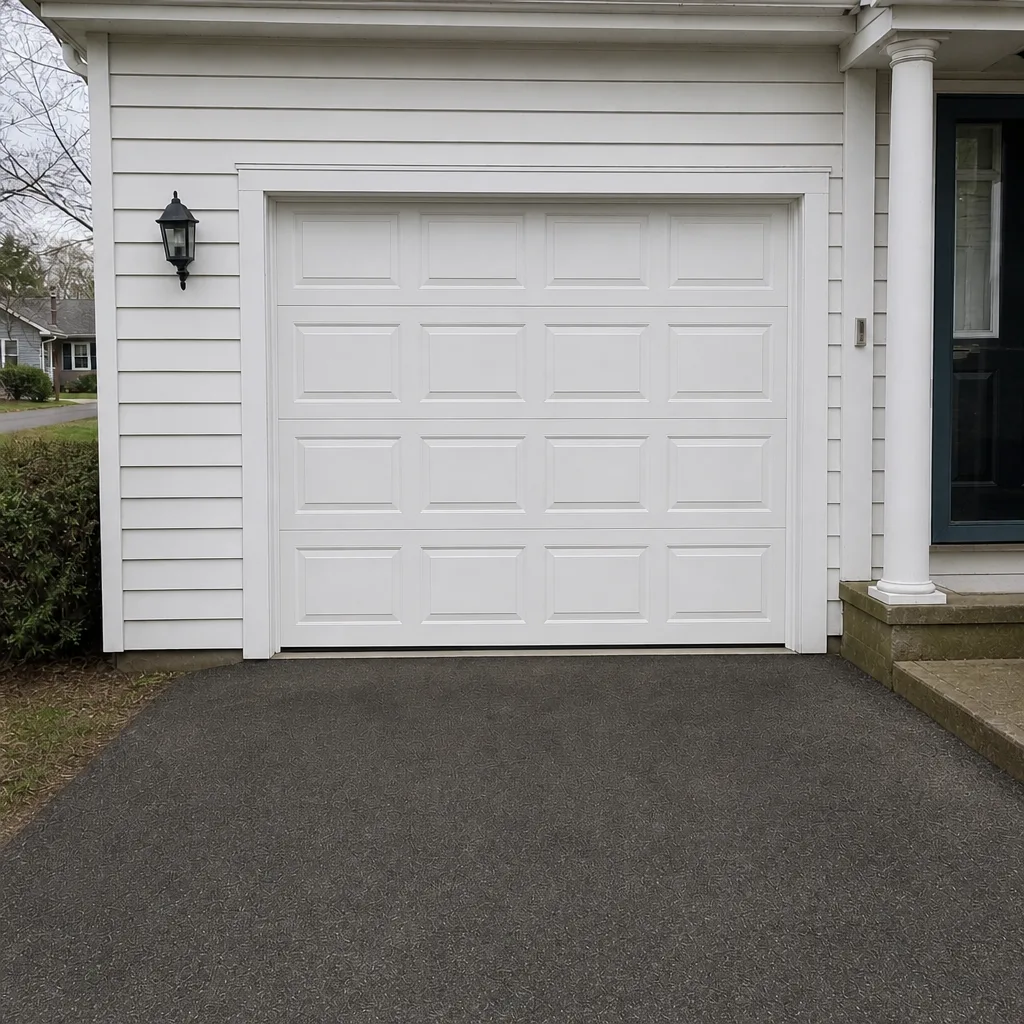
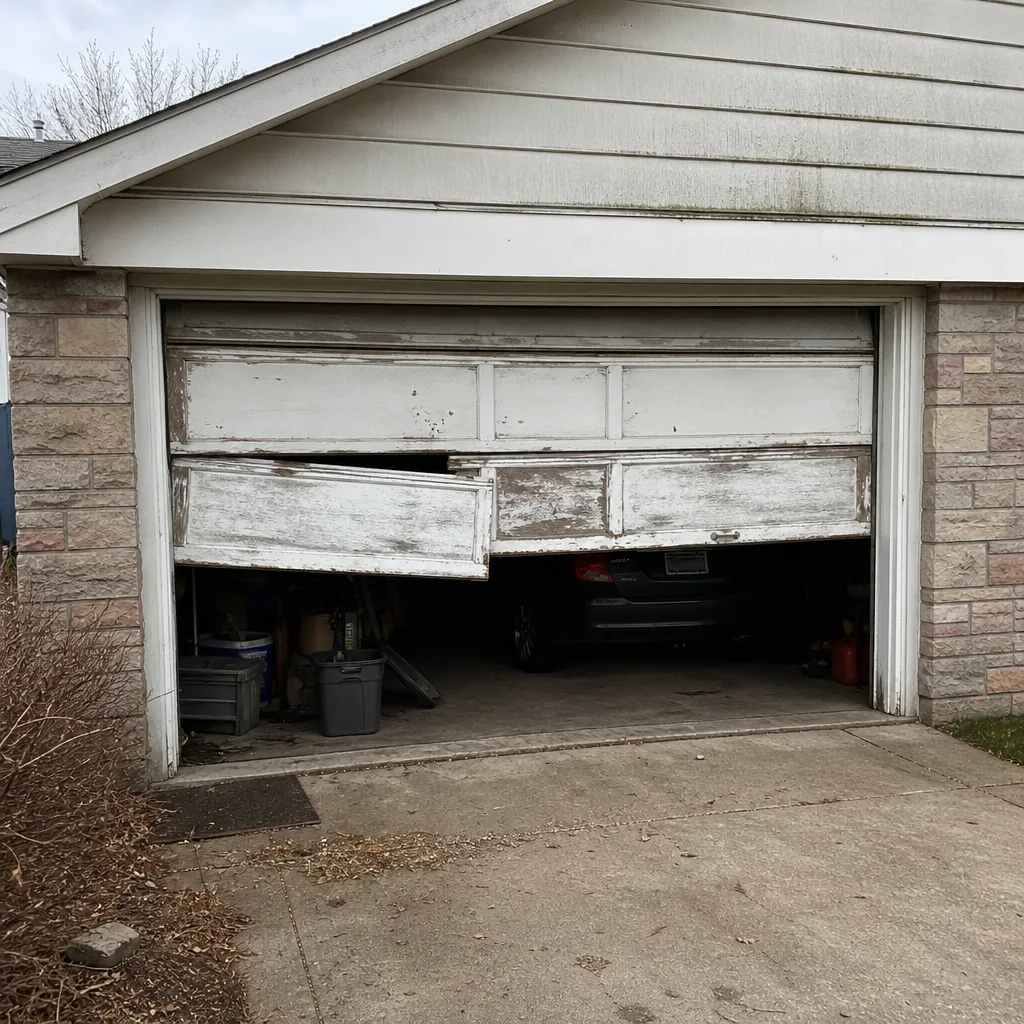
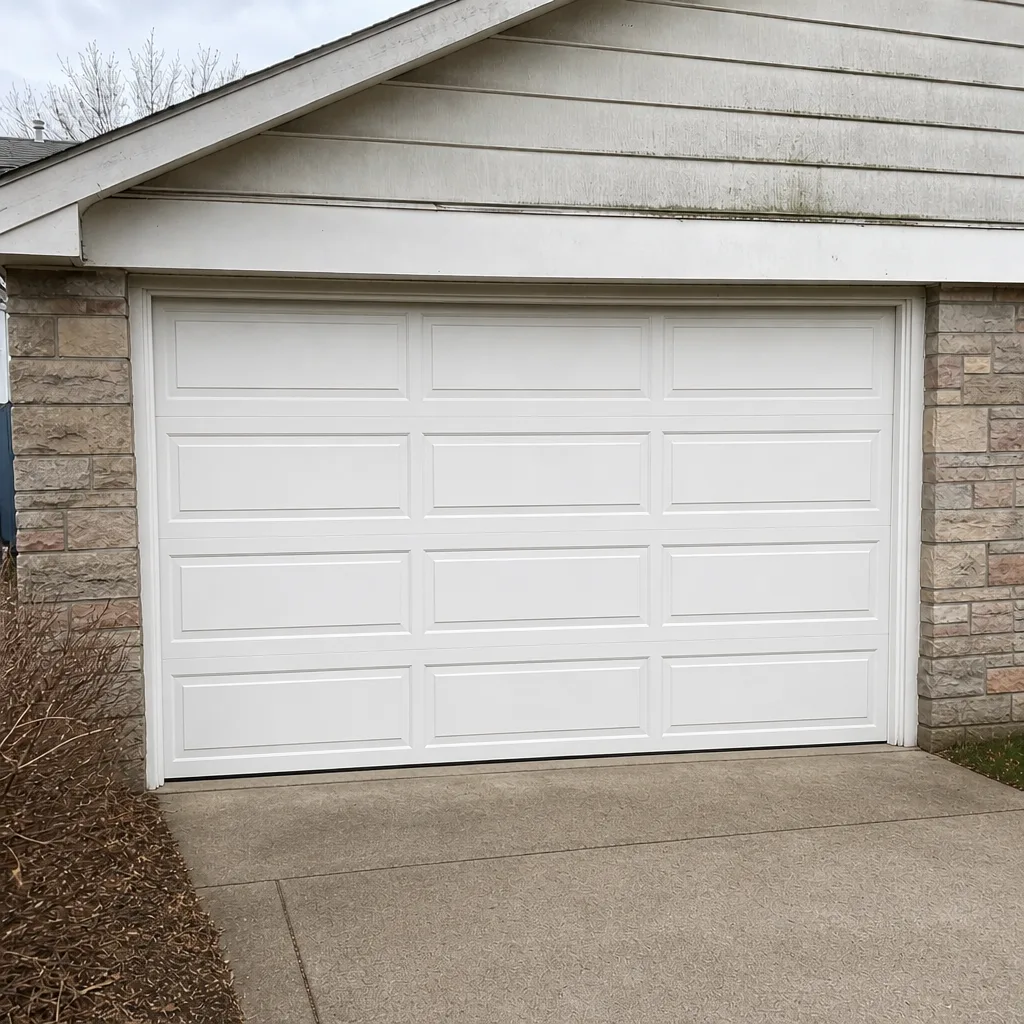
See the difference
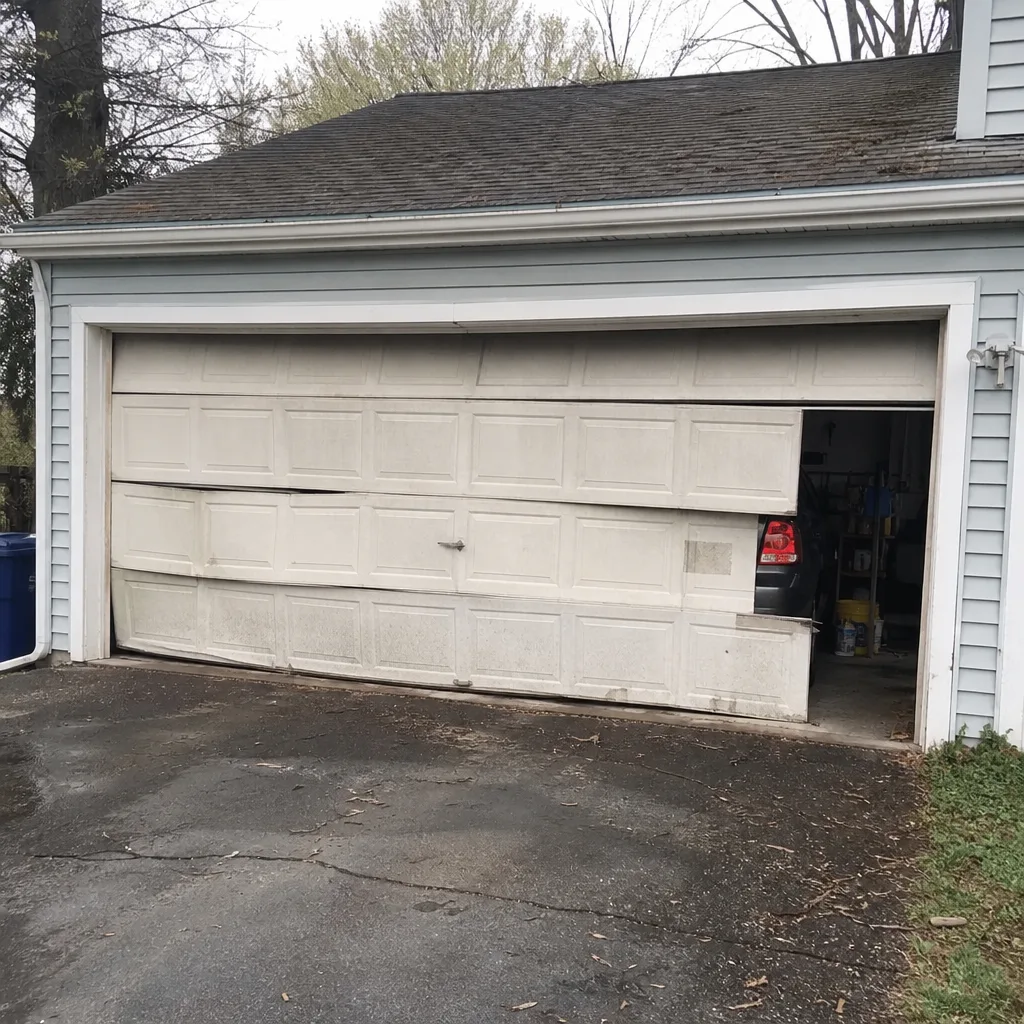 Before
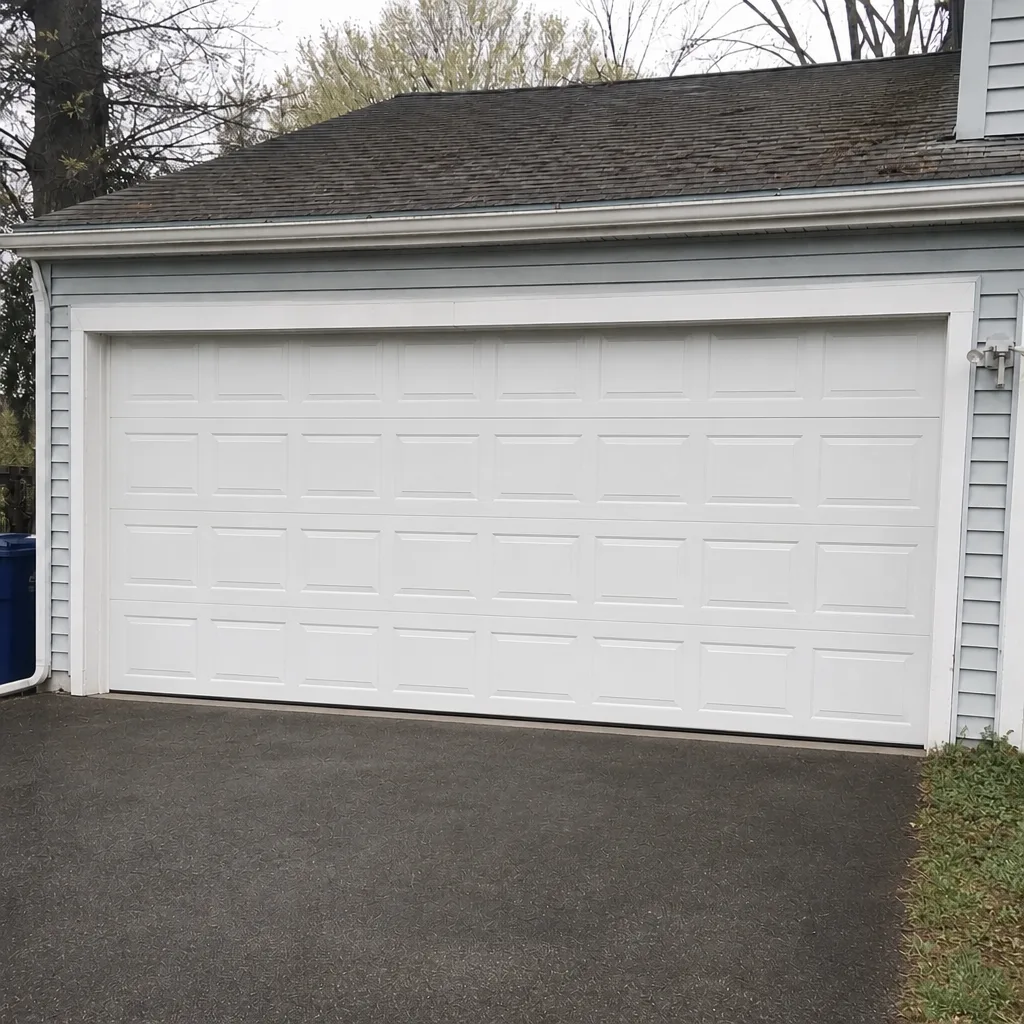 After
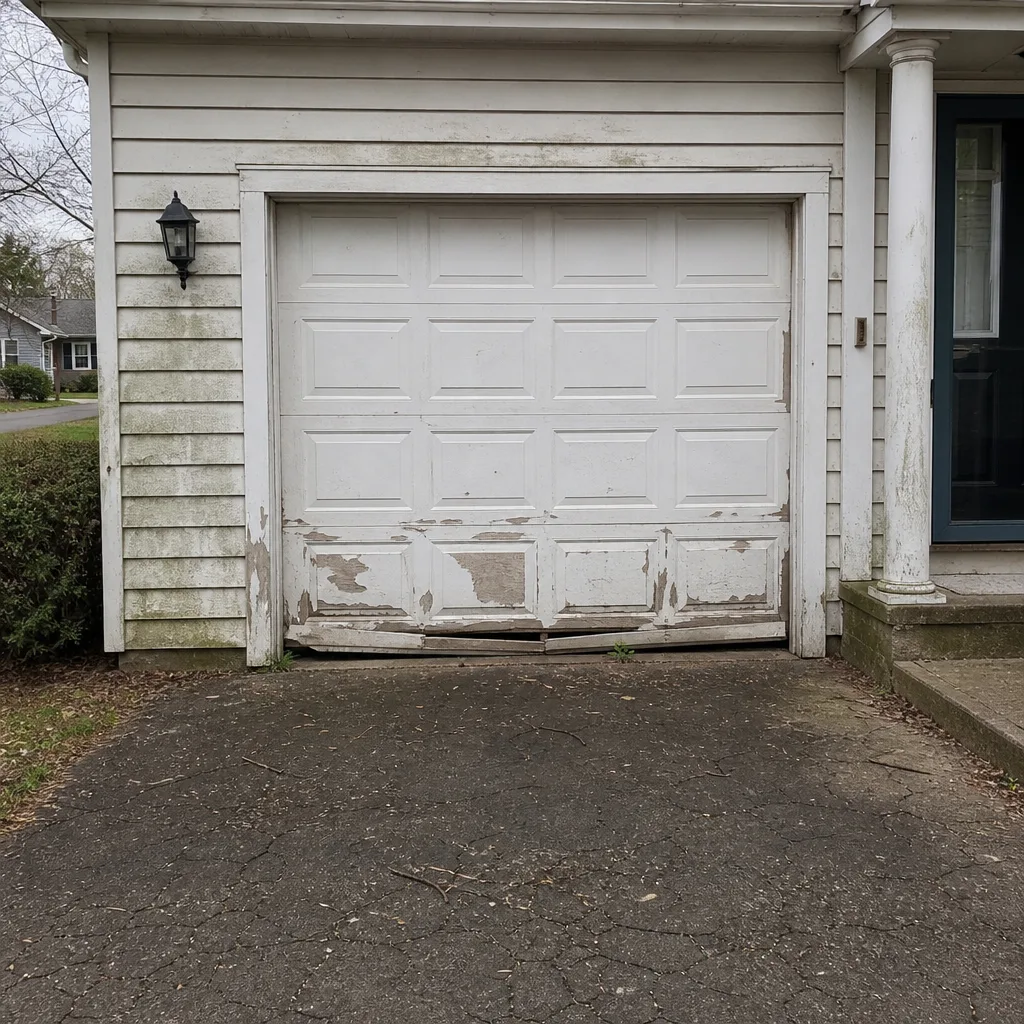 Before
 After
 Before
 After
When to Call a Professional
Call a professional for anything involving springs, cables, torsion bars, bottom brackets, or a door that’s out of its tracks. Also call for a door that reverses inconsistently, a door that won’t stay closed, and a door making new noises after the monthly check. Any of those is a sign the door needs to be looked at by someone with the right tools and training. Same-day service is available on most repair calls, and we work on the brand you already have. Danbury Garage Door Repair Pros offers free estimates in Danbury and a written price you agree to before any work starts. Call (855) 901-2958. We answer 24/7. Fast dispatch from 7am to 7pm, Sunday through Friday. If a door fails on a Saturday, call and we’ll book you for Sunday.
Frequently Asked Questions
Twice a year for a full tune-up, plus a five-minute inspection every month. The two full service dates should land in October (before the first hard freeze) and in spring (after the thaw, so you catch winter damage early). A door that’s older than 10 years benefits from an additional professional spring inspection in September, because that’s when the wear from the previous winter shows up in the mechanism.
Most torsion springs last somewhere in the range of 10,000 cycles, and a typical household cycles its door about 1,500 times a year, so somewhere around seven to ten years of ordinary use. The exact number depends on spring gauge, door weight, and how much load the door carries. A spring at the end of its life will sag, make a sharp noise during cycling, or fail to hold the door open at the balance point. That’s the point to call for a professional replacement, not a DIY adjustment.
No. Torsion springs hold enough stored energy to cause serious injury if released incorrectly, and extension springs carry the same risk. Both require specific tools (winding bars for torsion) and training to release safely. Any homeowner-facing article that suggests otherwise is wrong. Call a professional for spring work. Our technicians have up to 9 years of experience and handle both torsion and extension springs as a dedicated service.
Don’t force it. A door that’s frozen shut is usually stuck at the bottom seal or in the track channel. Start by opening the manual release and lifting gently by hand. If it won’t move, check the bottom seal for ice and the track for packed snow. If the seal is torn or the door won’t move even after clearing the ice, call us. We can thaw, inspect, and repair the seal and tracks, and we can let you know if the seal needs replacing.
Yes. The opener has its own maintenance needs: cleaning the photo-eye lenses, checking the battery backup if there is one, testing the force and travel settings, and lubricating the rail if it’s a chain or screw drive. Most opener problems (a door that reverses for no reason, a remote that only works up close, a motor that strains) are maintenance issues, not failures. Our garage door opener repair service covers all major brands, so if your opener needs work, we can look at it without sending you to a specialist.
There’s no single number that fits every door. A tune-up on a door in good shape is a smaller job than a tune-up that turns into a spring replacement. The honest answer is that you get the price in writing before any work starts, and the estimate is free. If you want a specific number for your door, call (855) 901-2958 for a free estimate. We quote the job on what we see, not on a phone-book rate.
The Bottom Line
Maintenance isn’t complicated, but the timing matters. In Danbury, the two dates that prevent most winter repairs are October, when the pre-winter inspection catches weatherstripping and seal problems before the freeze, and September, when a professional spring inspection can catch a spring that’s on its way out. Everything else in this guide is a short list of checks you can run yourself in minutes. The one non-negotiable is safety: springs, cables, and torsion bars are not a homeowner item. If anything on the list looks wrong, or if you’d rather have a professional run the October inspection in person, call (855) 901-2958 for a free estimate. We answer 24/7. Fast dispatch from 7am to 7pm, Sunday through Friday.
Written by the team at Danbury Garage Door Repair Pros.