
Last updated November 23, 2026
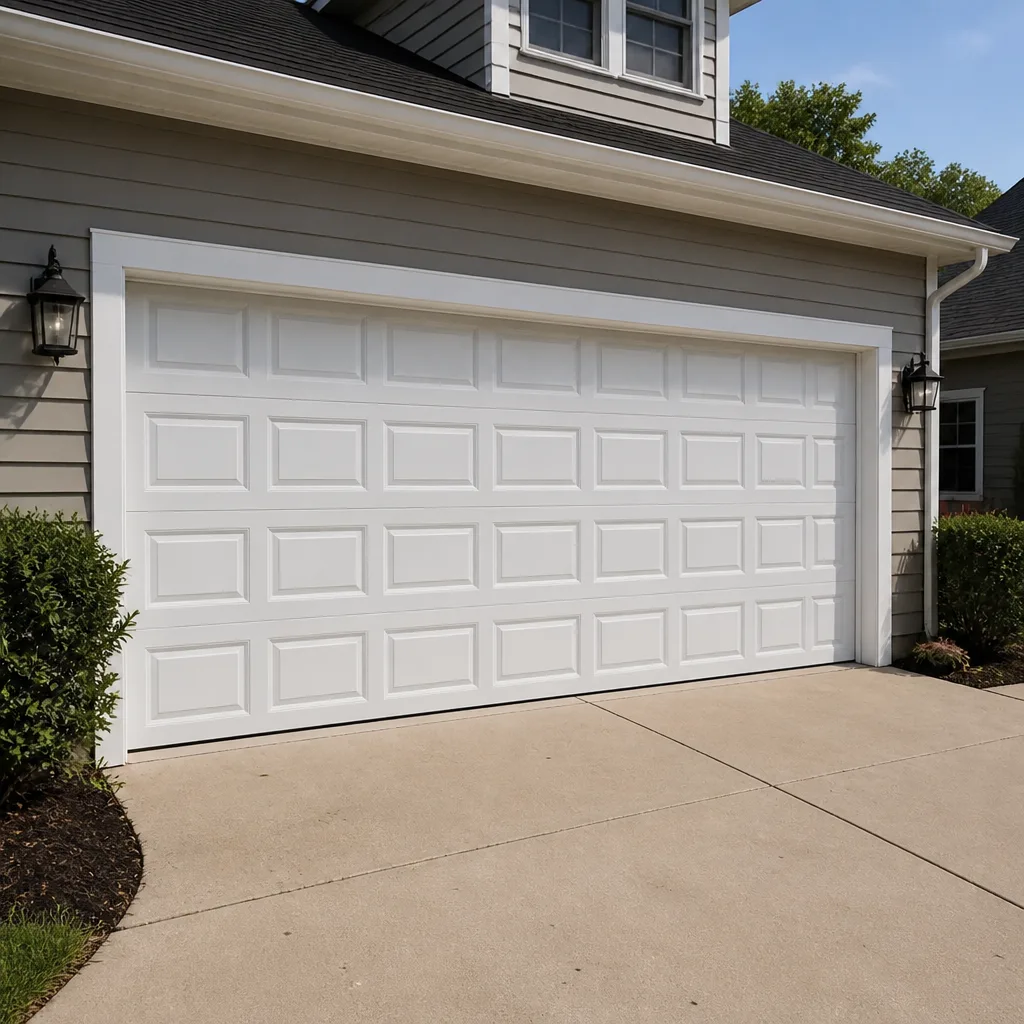 Raised-panel steel
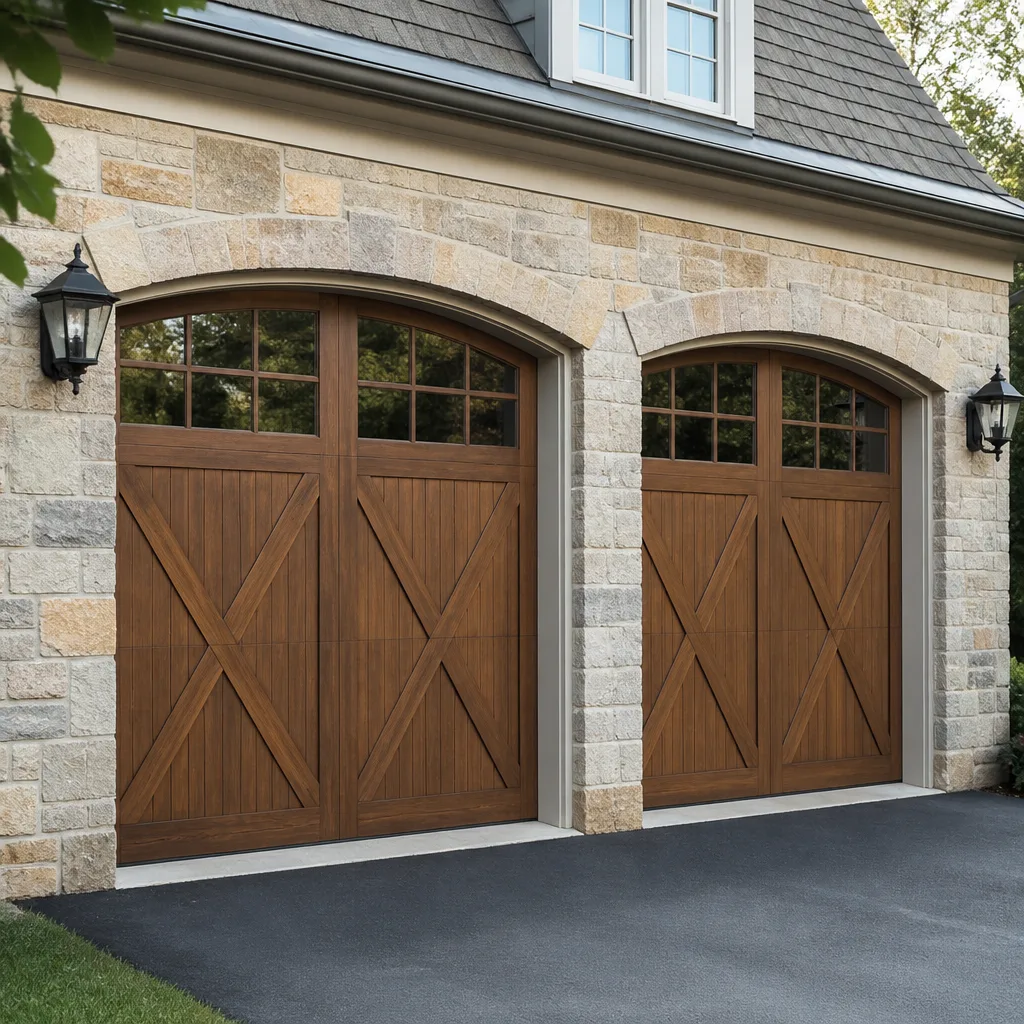 Carriage house
 Modern flush
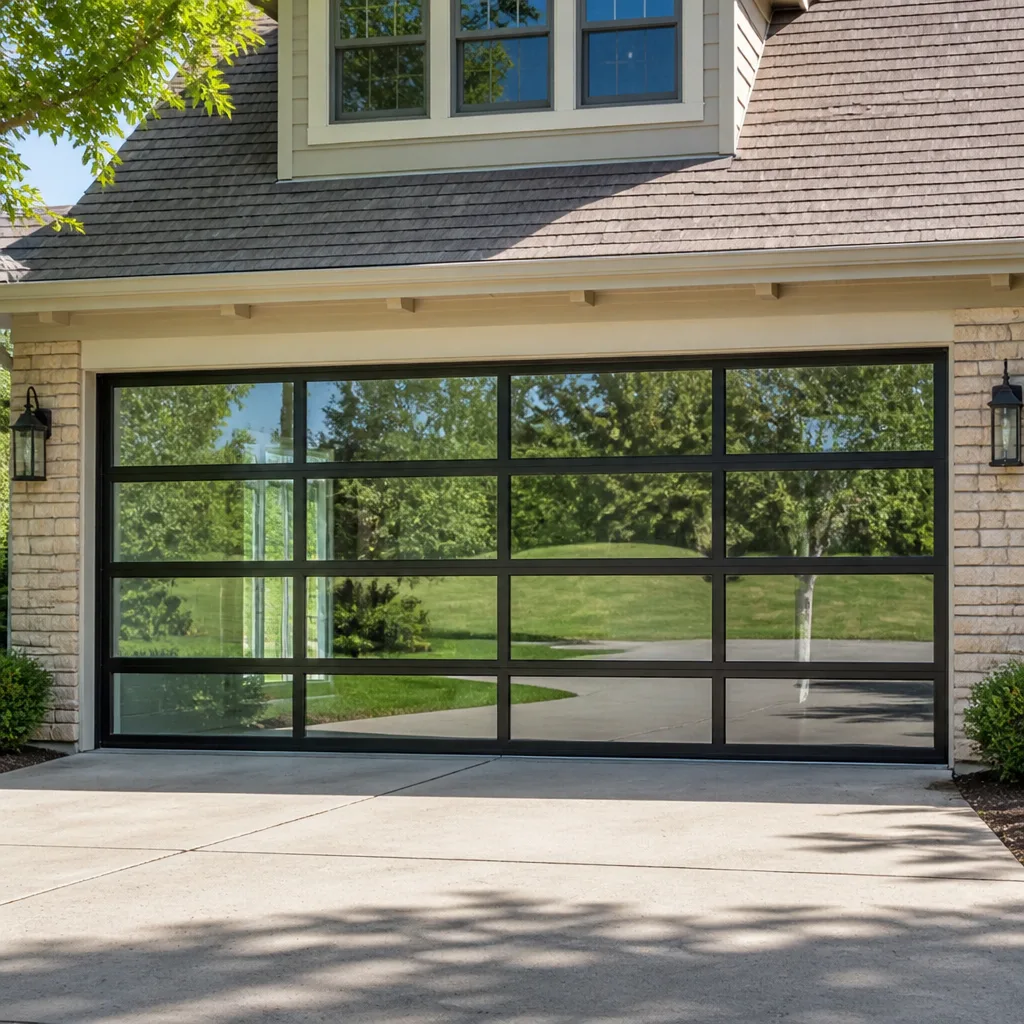 Full-view glass
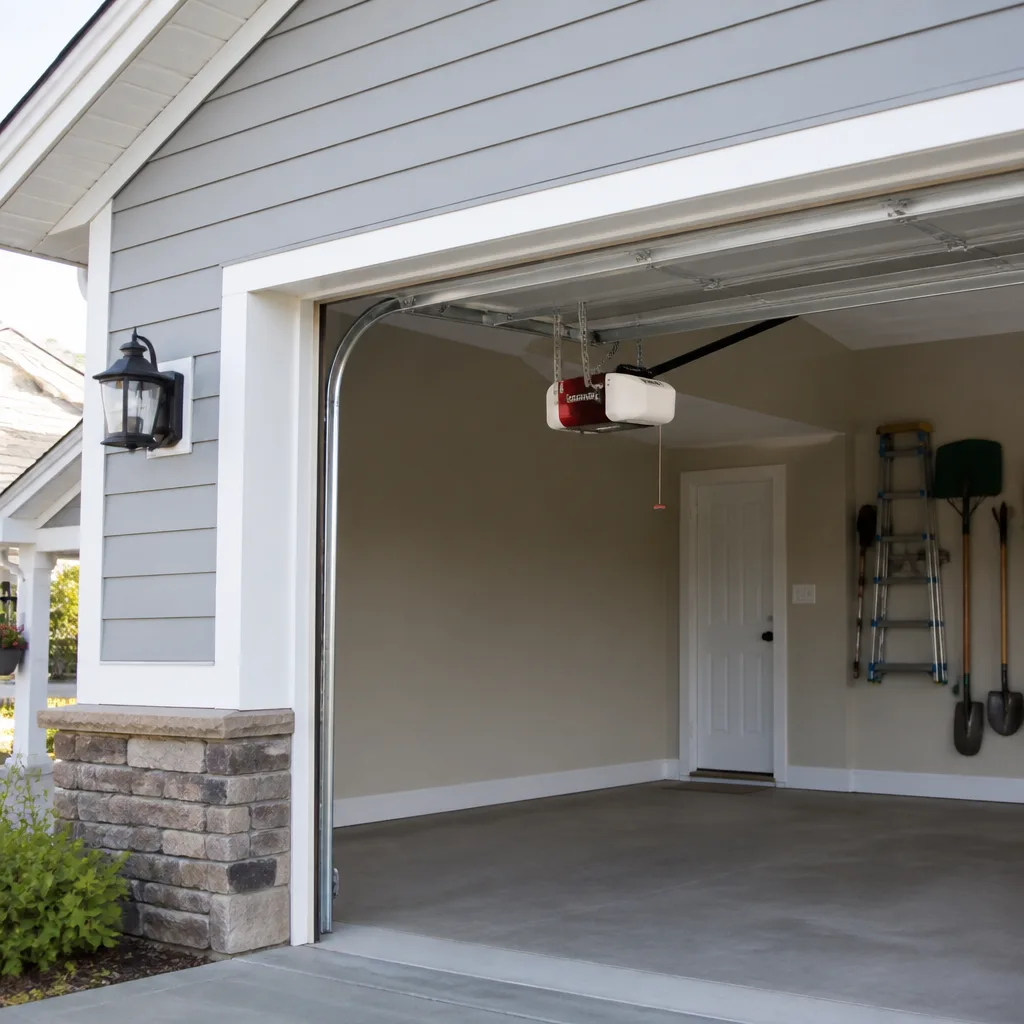 LiftMaster openers
 Chamberlain openers
Full 25-point door and opener safety check with every visit - springs, cables, rollers, tracks, and your LiftMaster or Chamberlain opener included
You get a price before we start. It does not change when the pro arrives.
Get your free estimateGarage Door Permits, Codes & Inspections in Danbury, CT: What You Need to Know
Most Danbury homeowners assume that any garage door project needs a permit, and that assumption leads to a lot of unnecessary phone calls to the building department. The opposite mistake is more expensive. A homeowner sells a house and finds out during the buyer’s inspection that an old opener installation or an altered opening was never signed off, and the closing stalls while everyone sorts out what was done and when. The truth sits in the middle: most Danbury garage door work is permit-free, and a specific handful of projects are not. This guide walks through which Connecticut and Danbury rules actually apply to your project, how to check a past job on a house you’re buying or selling, and what an inspection really looks at.
Quick Answer
A straight replacement of a garage door of the same size and type in the same opening, and a swap of a garage door opener, generally do not require a permit in Danbury. Work that changes the structure of the opening, adds new electrical wiring or an outlet, or widens the garage door opening usually does require one. The rule that governs your project is the Connecticut State Building Code as adopted and enforced by the City of Danbury’s building department, not a separate local garage door code. When in doubt, call the city’s building department and describe the job in one sentence.
Styles & brands we work with
- Raised-panel steel
- Carriage house
- Modern flush
- Full-view glass
- LiftMaster openers
- Chamberlain openers
Table of Contents
- Connecticut code vs. Danbury municipal rules: which one governs?
- Which garage door projects actually need a permit in Danbury?
- When you don’t need a permit
- How to check whether a past garage door project was permitted
- What happens if an unpermitted modification turns up
- The permit process in Danbury, step by step
- What a garage door inspection actually covers
- How Danbury weather and housing shape these projects
Connecticut Code vs. Danbury Municipal Rules: Which One Governs?
Connecticut sets the building code at the state level, and Danbury enforces it through the city’s building department. That means there isn’t a separate “Danbury garage door code” that overrides the state standard. What the city controls is the local process: how you apply, what documents get reviewed, how long the review takes and who signs off.
In practice, three layers matter for a garage door project in Danbury:
- Connecticut State Building Code. This sets the structural, electrical and life-safety standards. It’s what an inspector is measuring your work against.
- City of Danbury building department. This is the office you call, the office that issues the permit and the office that sends the inspector. Local amendments and administrative procedures live here.
- Your homeowner’s insurance policy. Not a code at all, but the practical layer most homeowners forget. Some policies ask about permitted work, and an unpermitted structural change to a garage opening can complicate a claim. Read your policy or ask your agent before a major alteration.
If you’re ever unsure which layer applies, the safe answer is always the same: call the Danbury building department and describe the work. A two-minute conversation saves weeks of confusion later.
One more thing worth knowing here. Garage doors are one of the few exterior systems on a Danbury home that combine structure, electricity and moving mechanical parts. That’s why permits split cleanly between “you’re swapping a part” and “you’re changing the building.” A same-size door replacement is a part swap. Widening the opening is construction.
Which Garage Door Projects Actually Need a Permit in Danbury?
This is where most of the confusion lives, so here’s the split in plain terms. A permit is triggered when the work changes the structure, adds new electrical circuits or devices, or alters the size of the opening. It’s not triggered by replacing a door or opener with the same size and type.
Projects that usually require a permit in Danbury:
- Widening or heightening the garage door opening. This changes the header and the framing around the opening, and that’s structural work.
- Converting a garage to living space. Adds insulation, electrical, sometimes plumbing, and it changes how the home is classified.
- Adding a new electrical outlet or dedicated circuit for the opener. New wiring is a permit item in Connecticut like most states.
- Replacing a header or load-bearing framing around the opening. Structural, so permitted.
- Adding a new garage door where none existed before. That’s new construction on the exterior wall.
- Changing the garage door to a different, heavier type that requires reinforced framing. Sometimes permitted, sometimes not, so ask.
Projects that usually do not require a permit:
- Replacing a garage door with a door of the same size and type in the same opening.
- Replacing a garage door opener with another opener of the same type, plugged into the existing outlet.
- Replacing torsion or extension springs.
- Replacing rollers, hinges, cables or panels in kind.
- Routine maintenance, lubrication and adjustment.
Two honest caveats. First, the split above reflects how the state code and the Danbury building department typically treat these projects. Specific conditions on your property, an older home, a historic district, a recent flood zone map change, can shift the answer. Second, when you’re commissioning garage door repair in Danbury, the licensed professional you hire will know to ask these questions before starting, not after. Ask them up front.
When You Don’t Need a Permit in Danbury
The most common Danbury garage door projects are permit-free, and that’s worth saying directly because too many homeowners assume otherwise. A same-size door replacement in the same opening is a straight swap. An opener replacement is a plug-in appliance swap. Springs, cables, rollers and hinges are maintenance. None of these change the structure or add electrical work, so none typically requires a permit.
The conditions that keep a project in the permit-free column:
- Same size and type of door. Same width, same height, same general construction (sectional to sectional, tilt to tilt, roll-up to roll-up).
- Same opening. No cutting, no header modification, no framing changes.
- Same electrical setup for the opener. Existing outlet and existing dedicated circuit, or a plug-in unit that needs no wiring.
- No change to the garage’s use. It stays a garage, not a bedroom or a workshop.
If all four conditions hold, you’re almost always outside permit territory. Brand choice doesn’t change anything here. A homeowner replacing a Raynor with a new Raynor and a homeowner swapping a LiftMaster opener for a Chamberlain opener are both in the same permit-free category, provided the sizing and the wiring stay the same.
One reminder that has nothing to do with the city. Springs, cables and high-tension parts are the dangerous half of any garage door. Even when no permit is involved, spring work belongs with a trained technician. That caveat holds regardless of the paperwork.
How to Check Whether a Past Garage Door Project Was Permitted
If you’re buying a home in Danbury, or selling one, the past garage door work on the property is worth a five-minute check. The good news is that the record is public and the process is simple.
- Go to the City of Danbury’s building department. They keep the permit history for every property in the city, and they’re the office to call with the address.
- Ask for the permit history on the exact address. They’ll tell you what was permitted and when, and whether each permit was closed out.
- Ask specifically about permits related to the garage. Not every garage door change was permit-required, but if the opening was ever widened, converted or wired, there should be a record.
- Compare the record to what you see. If the current opening is wider than what was originally built, or there’s a finished room where the garage used to be, and the building department has no record, ask questions.
- Add it to the inspection list. A home inspector will look at the garage door, but they won’t pull permit history. That’s a separate step, and either you or your real estate attorney should ask for it.
We’ve seen this save closings. When the record is clean, everyone relaxes. When it isn’t, the buyer gets a chance to negotiate a fix, and the seller gets a chance to do it properly before an inspection report turns into a problem.
A side note for sellers: if you’re the one who had the work done, pull up the receipts and the permit copies now, not after an offer is on the table. The paperwork is faster to find when there’s no clock running.
What Happens if an Unpermitted Modification Turns Up
If an unpermitted structural or electrical change to a garage door installation is discovered during a home inspection or an insurance claim, the consequences depend on which one it is, but the mechanics are consistent.
During a home inspection. The buyer’s inspector notes the concern, the buyer’s attorney asks for documentation, and the closing is what pays for the missing paperwork. That can mean the seller has to obtain a retroactive permit and inspection before closing, or the buyer walks, or the price adjusts. The cleanest path is almost always to have the work permitted retroactively, if the city allows it, and to have it inspected by the city’s building inspector before closing.
During an insurance claim. If a structural change or an added electrical circuit contributed to a loss, and the change was never permitted, the insurer may ask questions before paying. That doesn’t automatically mean denial, but it does mean delay, and delay is its own kind of cost. Call your agent before the work if you’re unsure how your policy treats upgrades.
After the sale. If the issue surfaces after the sale, it moves into the buyer’s hands, and what happens next is between the buyer, the city and whoever did the work originally. That’s a hard place for everyone.
The consistent lesson: for garage door work that touches structure or new electrical, the permit is cheap insurance against these scenarios. For work that doesn’t touch either, there’s no exposure to worry about.
The Permit Process in Danbury, Step by Step
The permit process for a garage door-related project in Danbury follows the same general steps as any residential building permit in the city. It’s not complicated, but it does require the right sequence.
- Call the Danbury building department. Describe the work in one sentence. They’ll tell you whether a permit is needed, what application form to use and what drawings or documentation to submit.
- Ask about typical turnaround. Review times vary with workload and scope. Ask the office directly for the current timeline, and plan the project around that answer.
- Submit the application. Structural work usually requires drawings or a scope description. Electrical work usually requires the electrical contractor’s information.
- Receive the permit before work starts. This is important. Work performed before a permit is issued is exactly the scenario that causes trouble at a later inspection or closing.
- Schedule the inspection. Rough inspections happen at framing and wiring stages. Final inspection happens after the work is complete. The inspector looks at the structural work, the electrical connections and the way the door operates in the opening.
- Keep the paperwork. The signed-off permit is the document that protects a future sale. It belongs with the home’s records.
Two practical tips. First, if you’re working with a licensed professional contractor, the contractor typically handles the application and inspection scheduling as part of the job. Ask up front who’s pulling the permit. Second, if you’re the homeowner acting as your own general contractor, make sure you understand the inspection sequence before you start, because the rough inspection has to happen before the walls close.
What a Garage Door Inspection Actually Covers
A Danbury building inspection for a garage door-related project is not a garage door tune-up, and it’s not a manufacturer’s warranty check. It’s a code inspection, and it looks at a specific set of items.
- Structural integrity around the opening. The header, the framing and the connections that carry the load. If the opening size changed, this is what the inspector checks most closely.
- Electrical connections. The opener’s wiring, any new outlets or circuits, and whether the work matches what was described in the permit application.
- Safety features on the opener. Modern openers have a photo-eye safety reverse and a pressure-sensing reverse. Inspectors check these because they’re life-safety devices and because they’re part of the installation standard.
- Operation and clearances. Whether the door opens and closes in the tracks without binding, and whether the swing and hardware clearances around the door are adequate.
What the inspection doesn’t cover is the mechanical condition of the springs, cables, rollers and hinges, beyond what’s visible in the door’s operation. For that, the inspection you want is a maintenance visit from a qualified technician, and that’s a separate conversation from the city’s inspection.
This is worth saying directly: a passed building inspection doesn’t mean the door is in good mechanical shape, and a well-maintained door doesn’t exempt a structural change from the permit process. Two different things.
How Danbury Weather and Housing Shape These Projects
Danbury’s climate asks a lot of a garage door. Cold winters, freeze-thaw cycles, snow load on roofs and significant seasonal temperature swings all put cycles on the door, the springs and the opener. Western Connecticut homes are also a mix of older construction – 1950s ranches, 1970s colonials, more recent subdivisions – and each era comes with its own garage framing and electrical conventions. That matters when a homeowner wants to widen an opening or upgrade to a heavier door, because what will and won’t work is often determined by how the home was built decades ago.
Two things follow:
- Replacement is more common than new construction. Most of the Danbury garage door work we see is a replacement of an existing door or opener, not a new build. That’s good news for permitting, because replacements are usually permit-free.
- Older homes sometimes surprise you. A door that was framed in the 1960s may not meet today’s clearances or safety standard, and a heavier replacement door may need reinforcement that wasn’t part of the original build. Call the building department before you decide the project is “just a replacement” if the old door is very different from the new one.
For the everyday work that weather actually drives – a spring that fails in the cold, an opener that starts acting up after a big temperature swing, a panel that takes a hit after a winter storm – that’s routine repair, not permitting. The same goes for garage door opener repair on an existing opener on an existing outlet. No permit, no city paperwork, just a technician and a fix.
Common Mistakes to Avoid
- Assuming every garage door project needs a permit. It doesn’t, and calling the building department for a spring replacement or a same-size door swap wastes everyone’s time. Ask once, get the answer, move on.
- Assuming no garage door project needs a permit. The opposite mistake is more expensive. Widening an opening or adding a new circuit is exactly the work that needs a permit, and the lack of one can surface during a closing.
- Not checking past permit history before buying. A twenty-minute visit to the Danbury building department is a cheap way to avoid a surprise three weeks before closing. If you’re buying a home with a converted garage, do this before the inspection period ends.
- Letting a contractor start work without a stated permit plan. Ask up front: does this job need a permit, and who’s pulling it? A contractor who brushes the question off is a red flag.
- Assuming a passed inspection means a well-maintained door. The city inspection checks code compliance, not the wear on your springs and cables. Those need their own maintenance schedule.
- Doing spring or cable work yourself to save a permit. Springs and cables are under extreme tension and cause serious injury when they fail during a DIY attempt. There’s no permit for a reason, and no safe DIY path either.
- Widening a garage door opening without checking the header. The header carries the load above the opening. Any change to it is structural and should be engineered and permitted, not improvised.
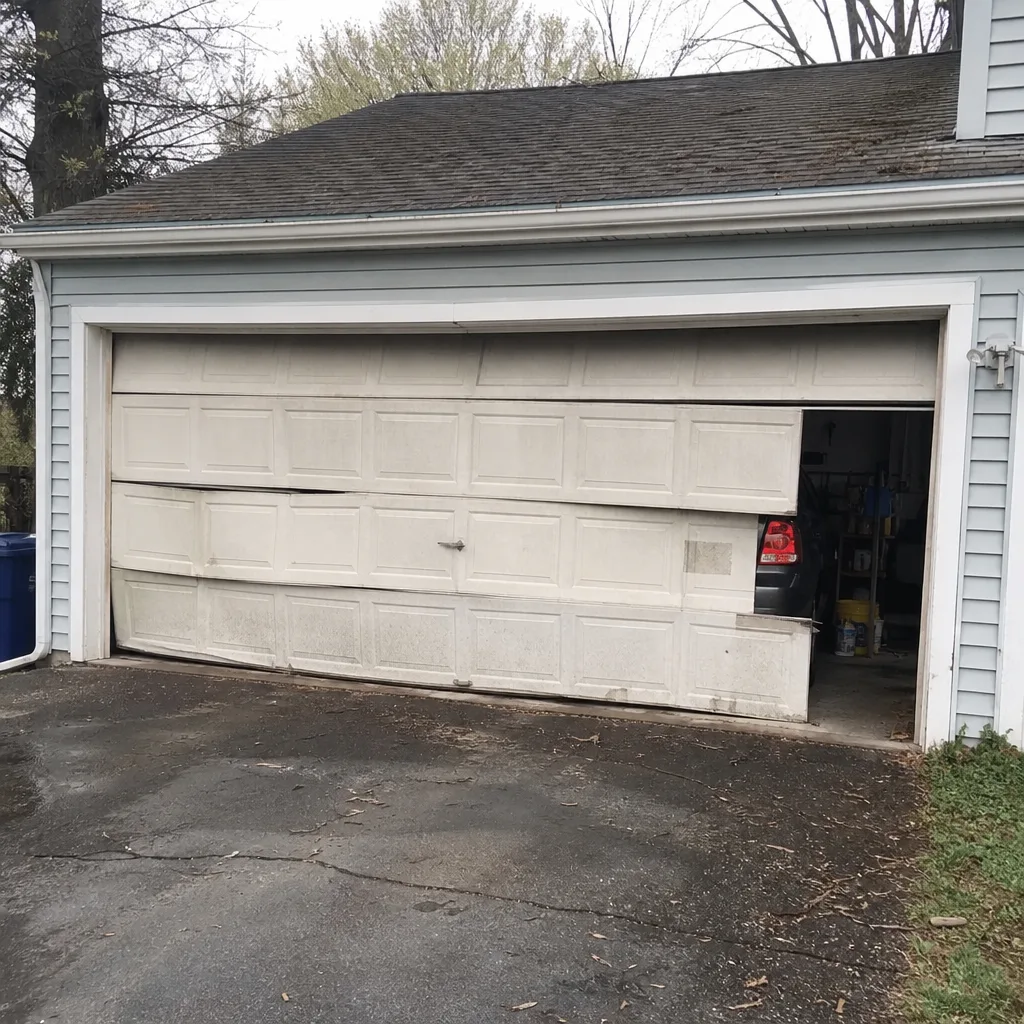
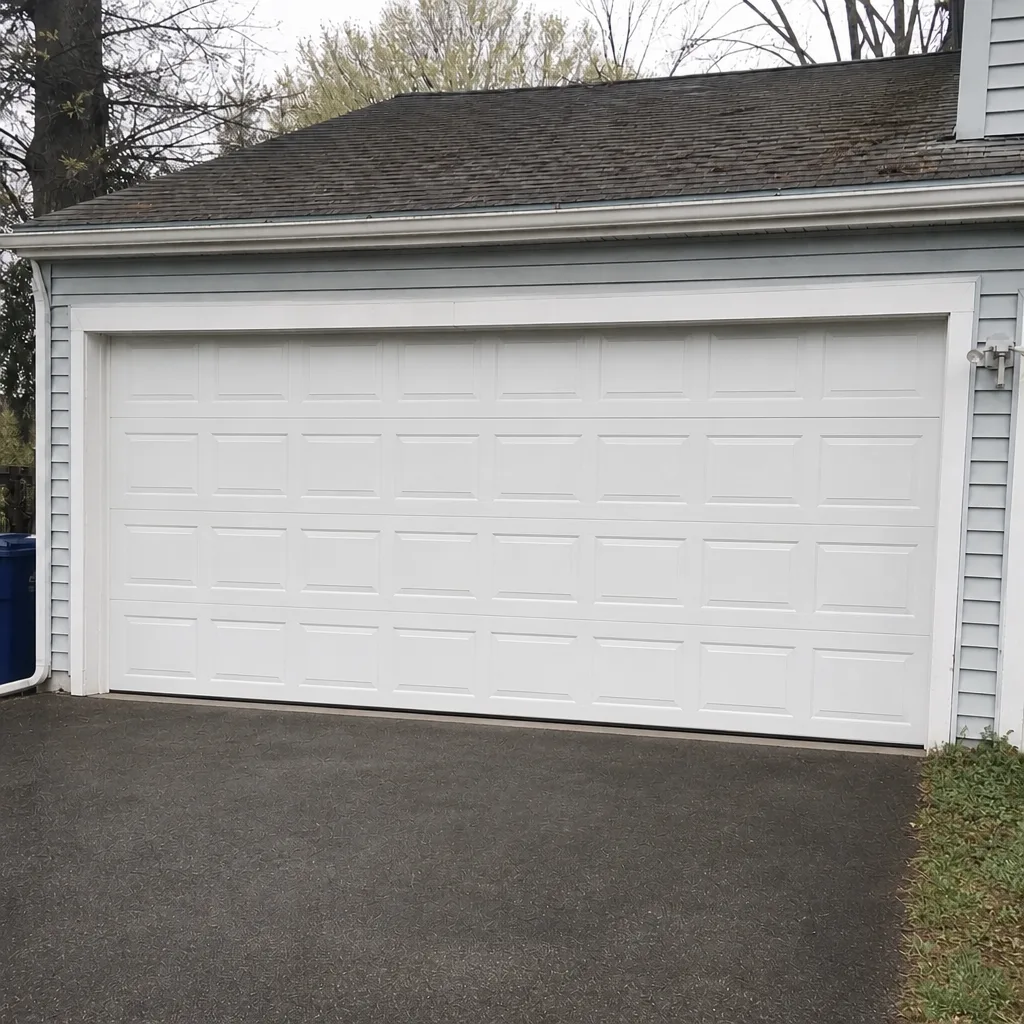
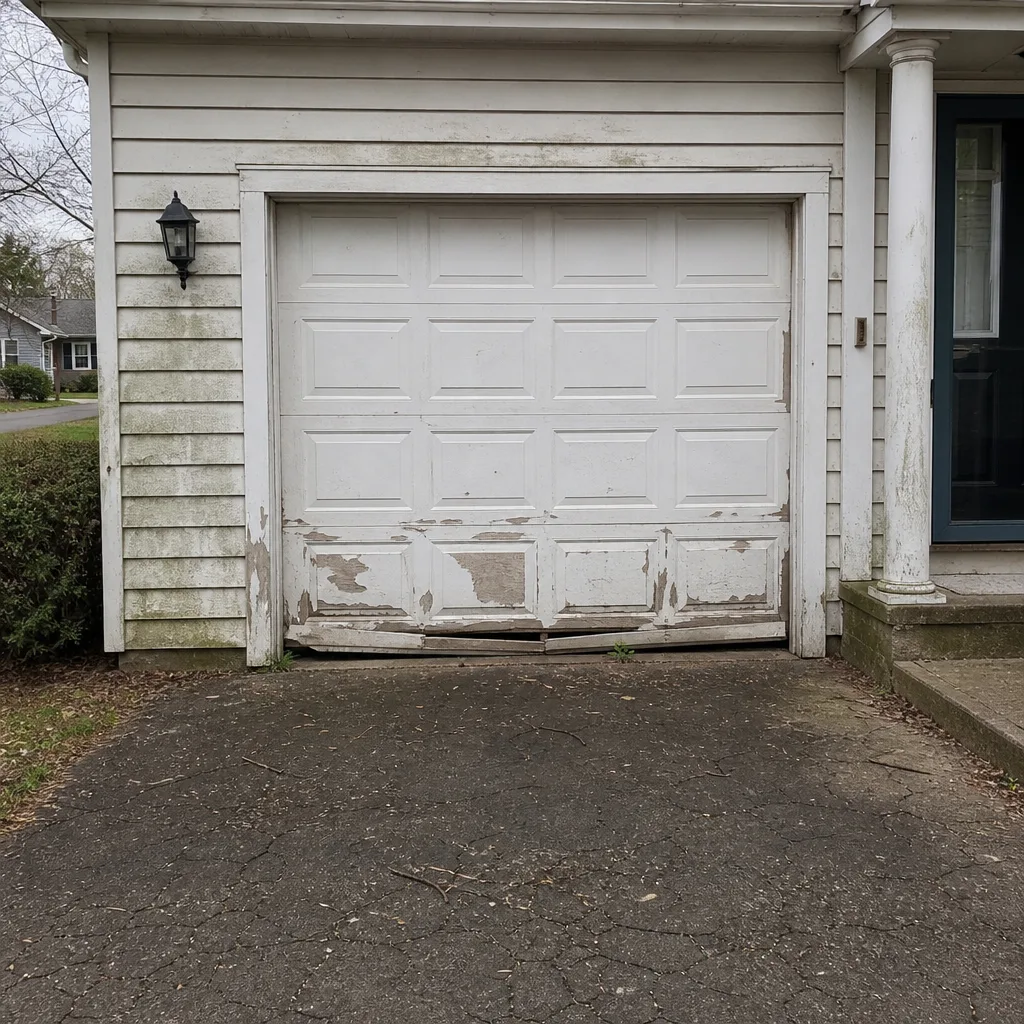
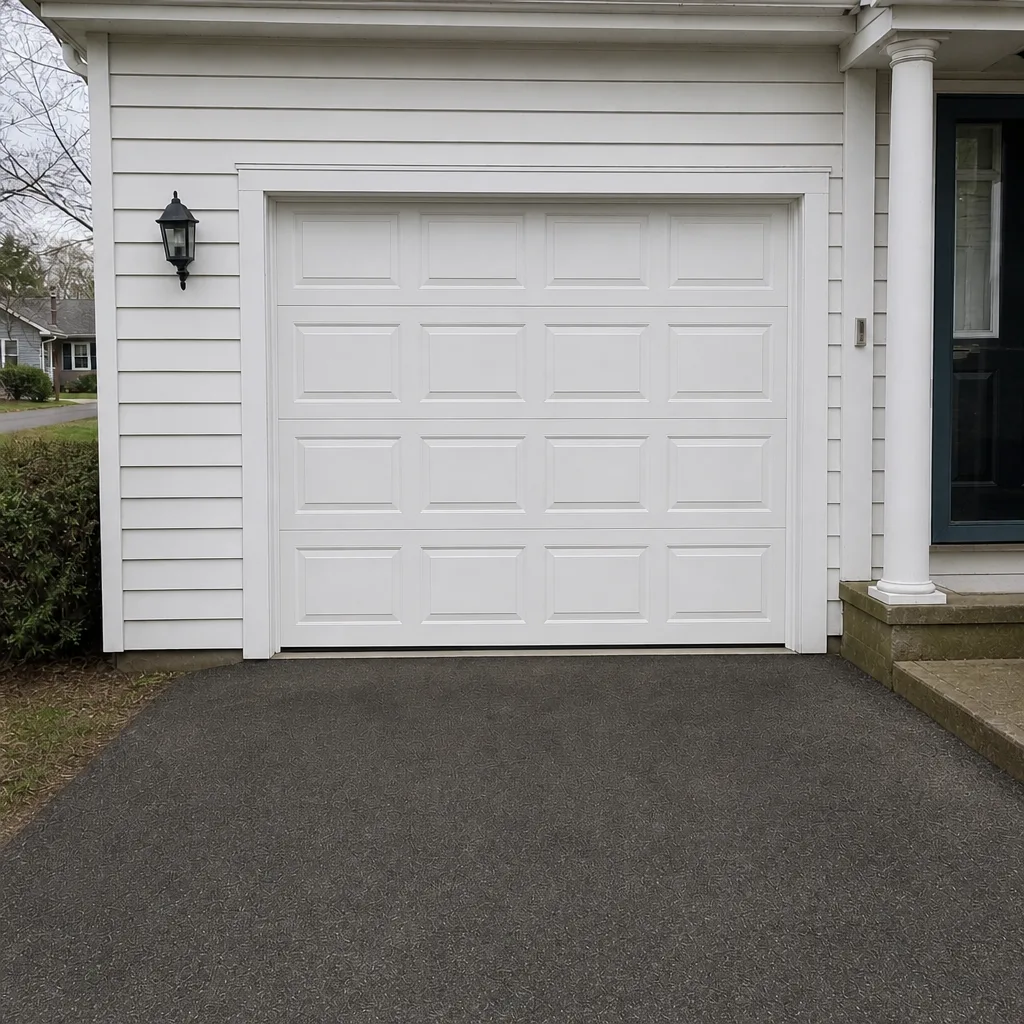
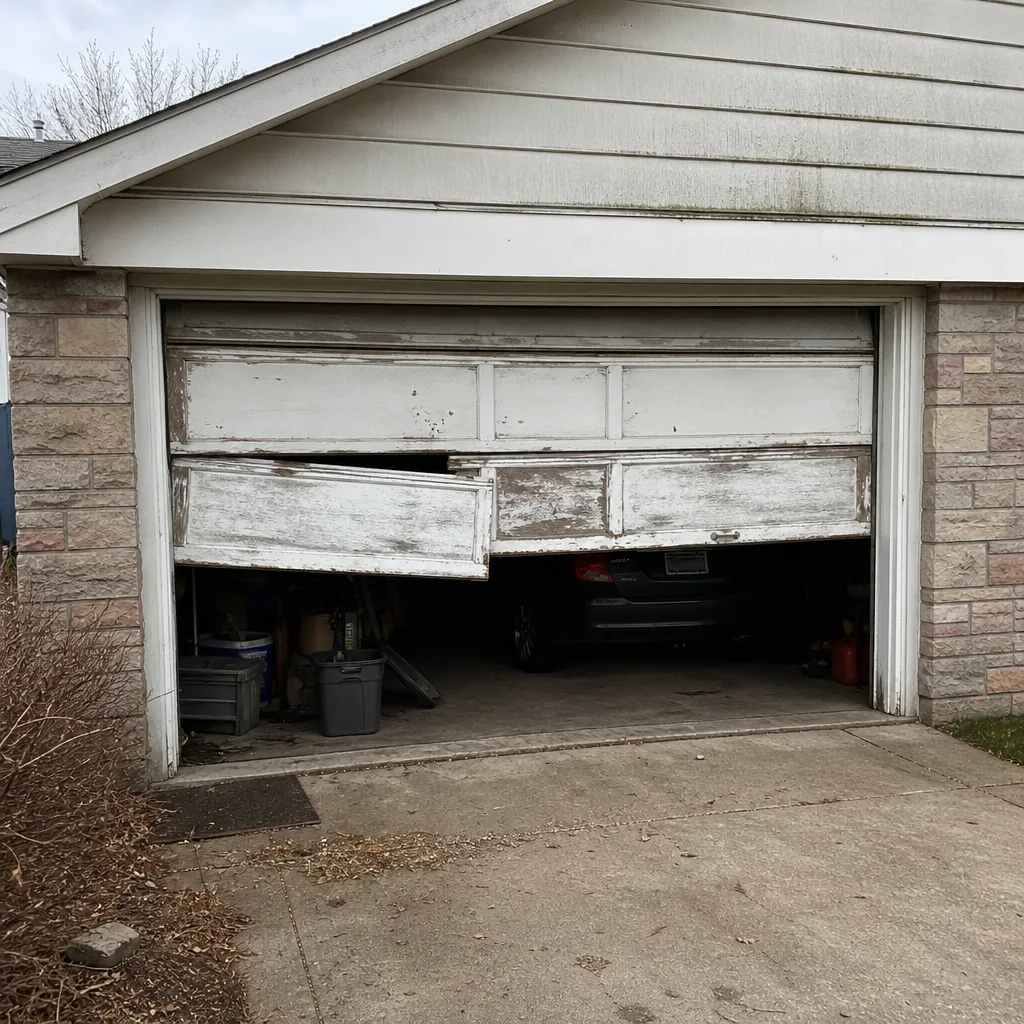
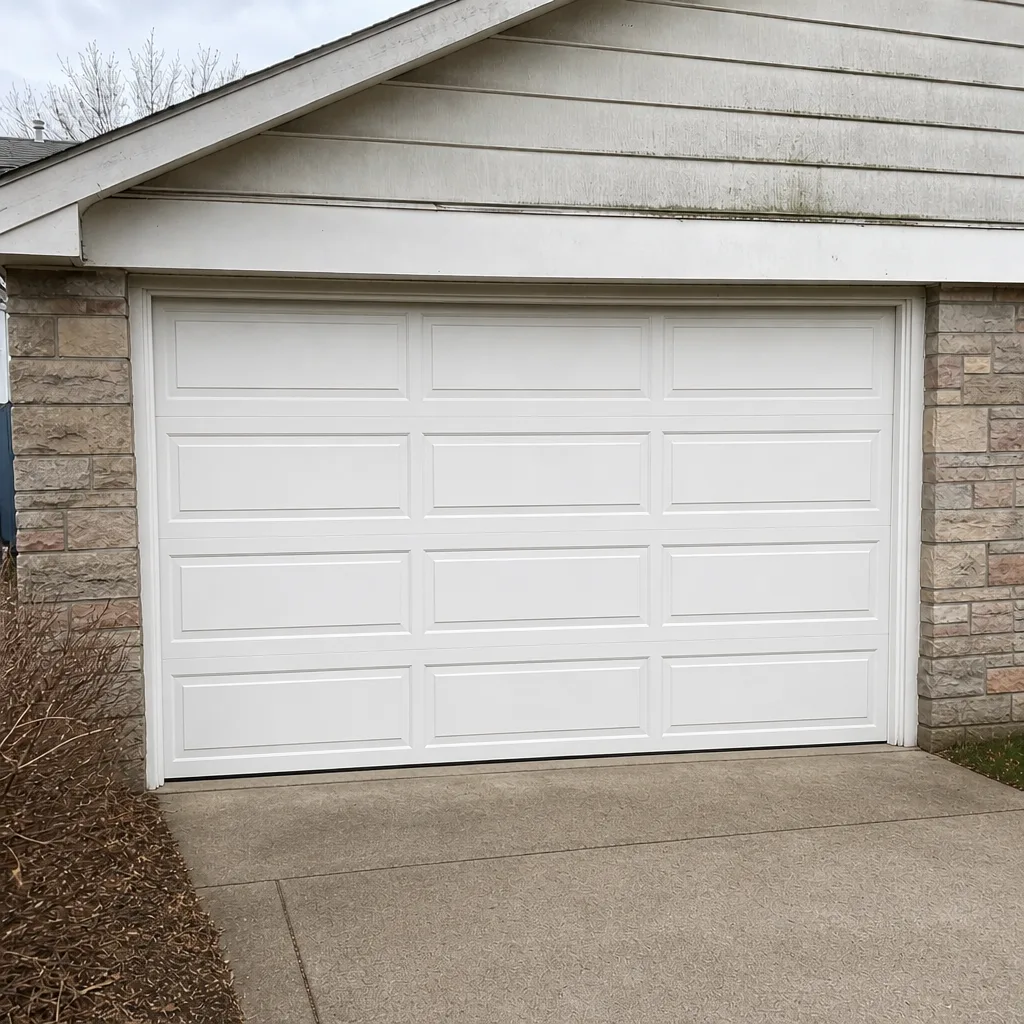
See the difference
 Before
 After
 Before
 After
 Before
 After
When to Call a Professional
Some garage door work is safe to handle yourself, and a lot of it isn’t. Call a professional for anything involving springs, cables, the header above the opening or new electrical connections. Call for a door that’s jumped its track, an opener that’s reversing on its own, or a door that’s visibly off balance. Call for spring replacement of any kind – that work is not a DIY job, and no permit changes that. And call before you start planning a structural change, so the scope and the permit plan are correct from the beginning. Danbury Garage Door Repair Pros offers free estimates in Danbury – call (855) 901-2958. We answer 24/7, and fast dispatch runs from 7am to 7pm, Sunday through Friday. Our technicians have up to 9 years of experience, and we work on LiftMaster, Chamberlain, Genie, Clopay, Amarr, Wayne Dalton, Craftsman and Raynor systems.
Frequently Asked Questions
Usually not, if the new door is the same size and type as the old one and it goes into the same opening with no structural change. A same-size replacement is a swap, not construction, and the Danbury building department typically doesn’t require a permit for it. If the new door is a different size, a different type that requires framing changes, or anything that touches the electrical, call the building department and confirm before you start. Call (855) 901-2958 for a free estimate if you’d like a technician’s read on what your project actually involves.
If you’re replacing an existing opener on the existing outlet with another opener of the same type, no permit is typically required. The permit question comes up when a new outlet or dedicated circuit is added, because that’s new electrical work and it falls under the Connecticut electrical code. If your current opener is plugged into an existing outlet and the replacement uses the same outlet, you’re in the permit-free column. Call (855) 901-2958 – estimates are free, and we’ll tell you if the setup in your Danbury garage needs a closer look.
Ask the seller for a permit record from the City of Danbury building department, and if there isn’t one, ask for the work to be permitted retroactively and inspected before closing. That’s the cleanest resolution, and it protects both sides of the deal. If the seller can’t or won’t, that becomes a negotiation point with your real estate attorney. Your inspector can flag the concern, but only the building department can tell you whether a record exists. Call (855) 901-2958 if you need an assessment of the door’s current condition as part of the conversation.
It can. If a structural or electrical change to the garage door was made without a permit, and that change becomes part of a claim, the insurer may ask questions before paying – not automatic denial, but certainly delay. Most claims involving a simple spring failure, a broken panel or an opener that quit working have nothing to do with permits at all. For a structural change or a new electrical circuit, read your policy or call your agent before the work. Call (855) 901-2958 for a free estimate on the repair itself.
The Connecticut State Building Code sets the standard, and the City of Danbury building department enforces it. There’s no separate “Danbury garage door code” – what the city controls is the local permit process, the review, the inspection and the sign-off. When you have a question about whether your project needs a permit, call the Danbury building department with the address and a one-sentence description of the work. For the repair itself, call (855) 901-2958 for a free estimate.
No. Springs and cables are under extreme tension and cause serious injury when they let go during a DIY attempt – that’s why we won’t walk anyone through them over the phone. The good news is that spring and cable work isn’t typically permit-required in Danbury in the first place, so there’s nothing to avoid. The right step is a trained technician who handles garage door spring repair safely and gets the door working again in one visit. Call (855) 901-2958 – estimates are free.
The Bottom Line
Most garage door projects in Danbury are permit-free. Same-size door replacement, opener swap, spring repair, panel work – all routine, all outside permit territory. The permit question only enters when you change the structure of the opening, add new electrical, or alter how the garage is used. When it does enter, the answer comes from the City of Danbury building department, which enforces the Connecticut State Building Code locally. Pulling a permit is cheap protection against the scenario that stalls a closing or complicates an insurance claim, and a five-minute call to the building department resolves the question faster than any guide can. Get the permit question answered first, then the repair. Danbury Garage Door Repair Pros connects you with a vetted local professional for garage door repair and garage door opener repair across Danbury, and a trained technician handles every spring job safely because that’s the part of the door that hurts people. Call (855) 901-2958 for a free estimate. We answer 24/7, and fast dispatch runs from 7am to 7pm, Sunday through Friday.
Looking for the full picture of what we do across Danbury and the surrounding area? Our main page at Danbury Garage Door Repair Pros collects every service in one place, and the garage door spring repair team handles the dangerous jobs that homeowners shouldn’t tackle alone. If your opener is the problem, garage door opener repair takes care of LiftMaster, Chamberlain, Genie, Clopay, Amarr, Wayne Dalton, Craftsman and Raynor systems in one visit. The written estimate is your final price, and it’s quoted and agreed before any work starts.
Written by the team at Danbury Garage Door Repair Pros.